
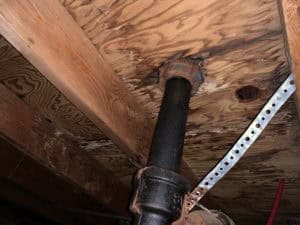
 Cast iron piping has been used as a drain pipe on homes in the U.S. since about the 1930s, becoming ever more popular in the 50s and 60s when it was the main material used on homes’ drain systems. It was used on many homes in the 1970s, but by the mid-1970s and early 1980s its use had been mostly phased out due to the invention and development of plastics. PVC became the main material used as it was cheaper, not nearly as heavy, and easier to use. Cast iron is still manufactured and used in some cases even today, but its use is very limited.
While it was considered the gold standard for drain pipes because it was the best material available for decades. It was popular because of its relatively low cost and because of its strength and durability,
However, much of this cast iron piping installed up through the 1970s is causing problems for many homeowners today. If your home was plumbed with cast iron pipes, then you may have already experienced some problems as a result of its age. Cast iron piping has an average lifetime of about 50 years, and given that most of it was phased out in the 1970s, almost any existing cast iron piping has exceeded that 50-year life, or is quickly approaching it.
What is the Problem With Cast Iron Pipes?
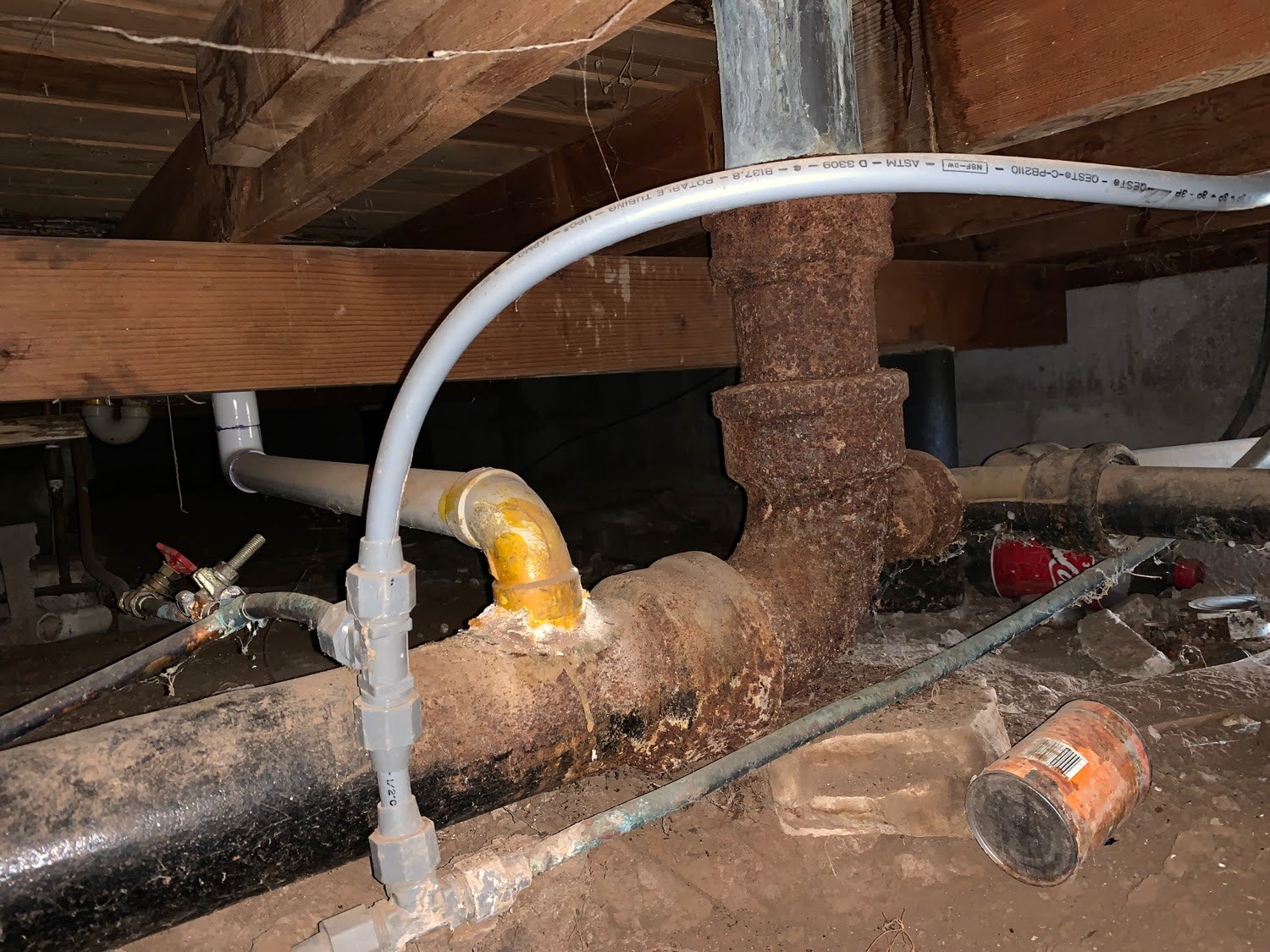
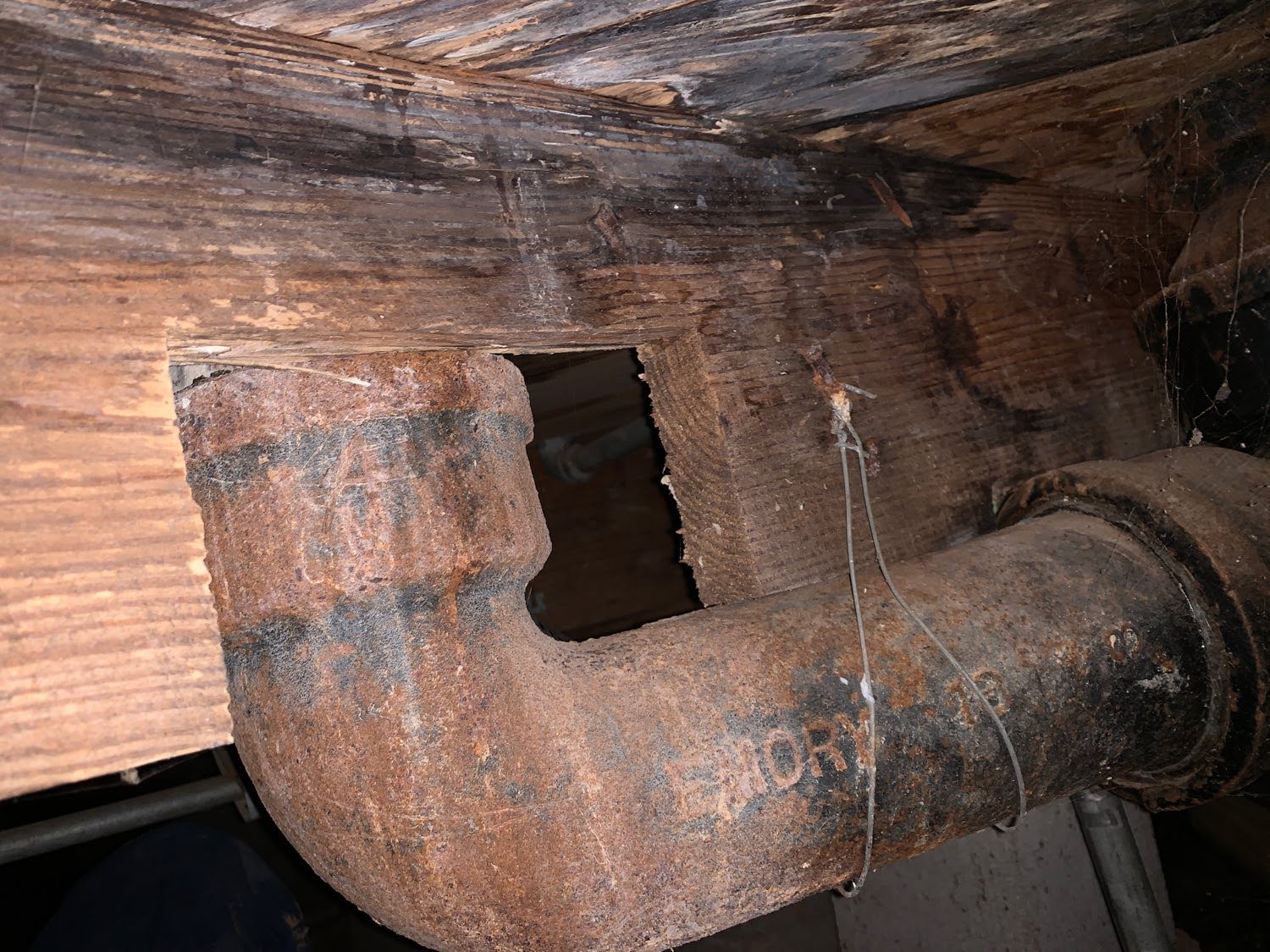
Over the years the cast iron piping will corrode simply due to it contact with water and soil. Also, reactions between the wastewater in the pipes and the pipe itself can result in the formation of sulfuric acid which can accelerate the corrosion and deterioration of the pipe.
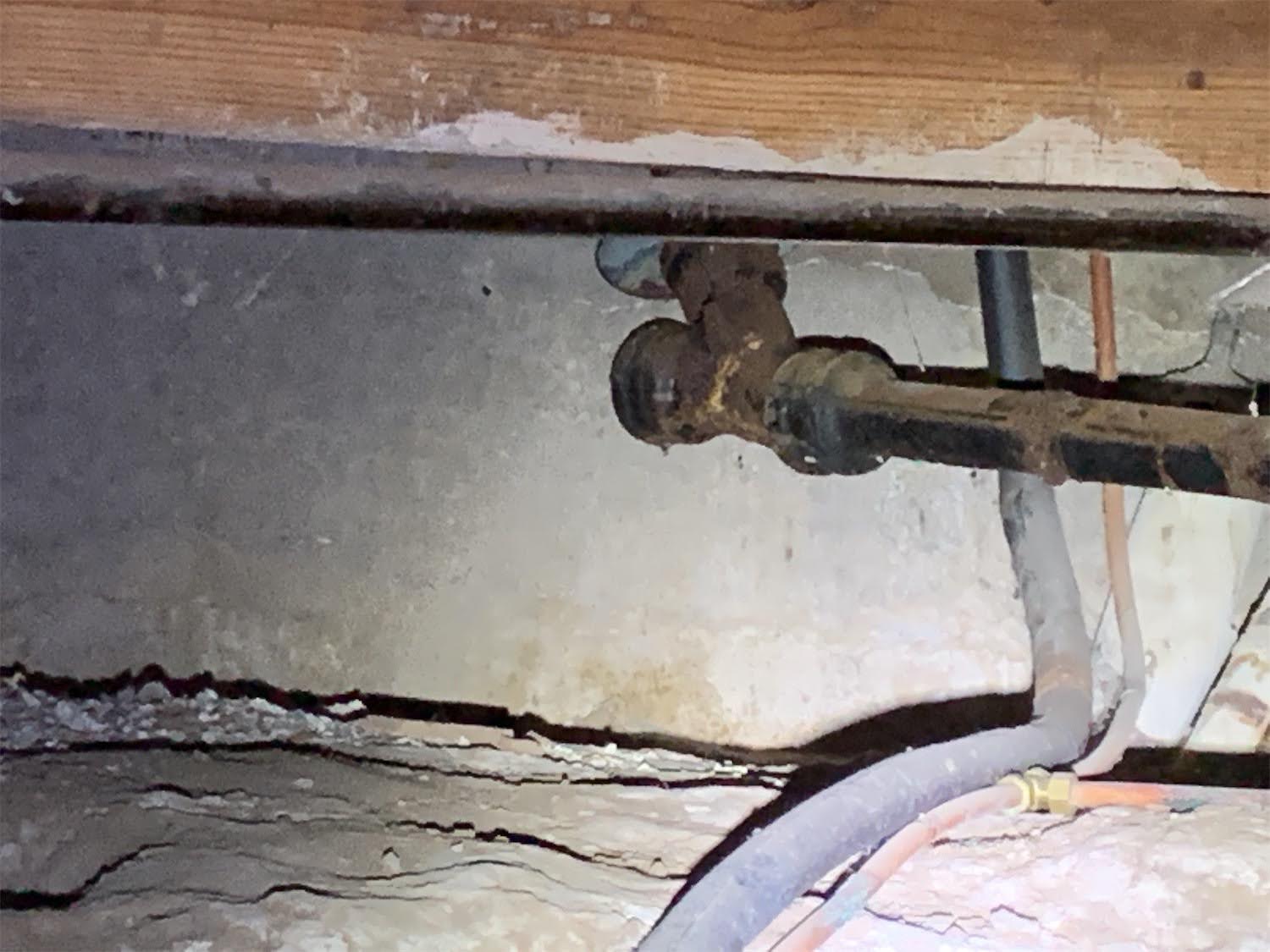
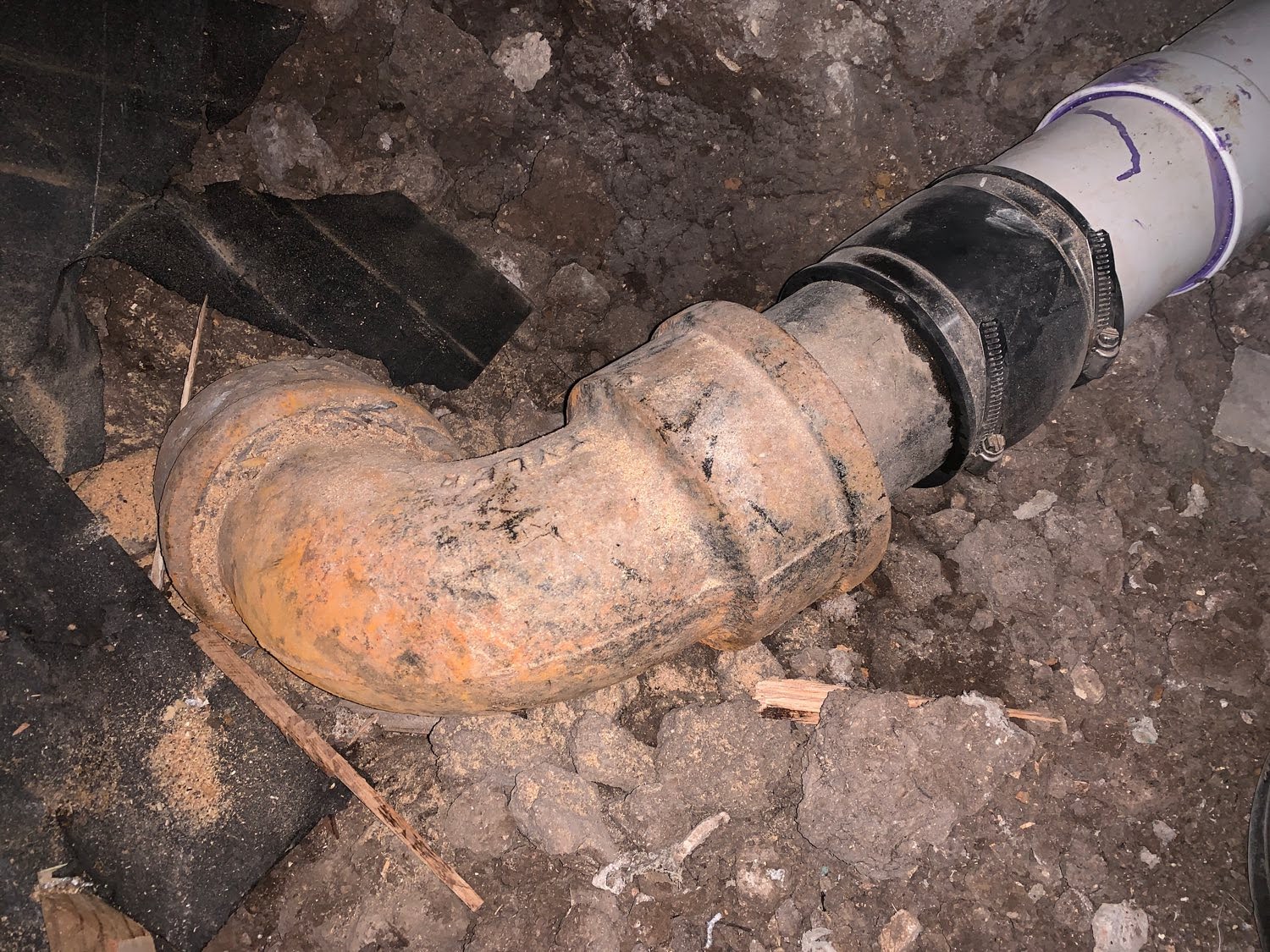
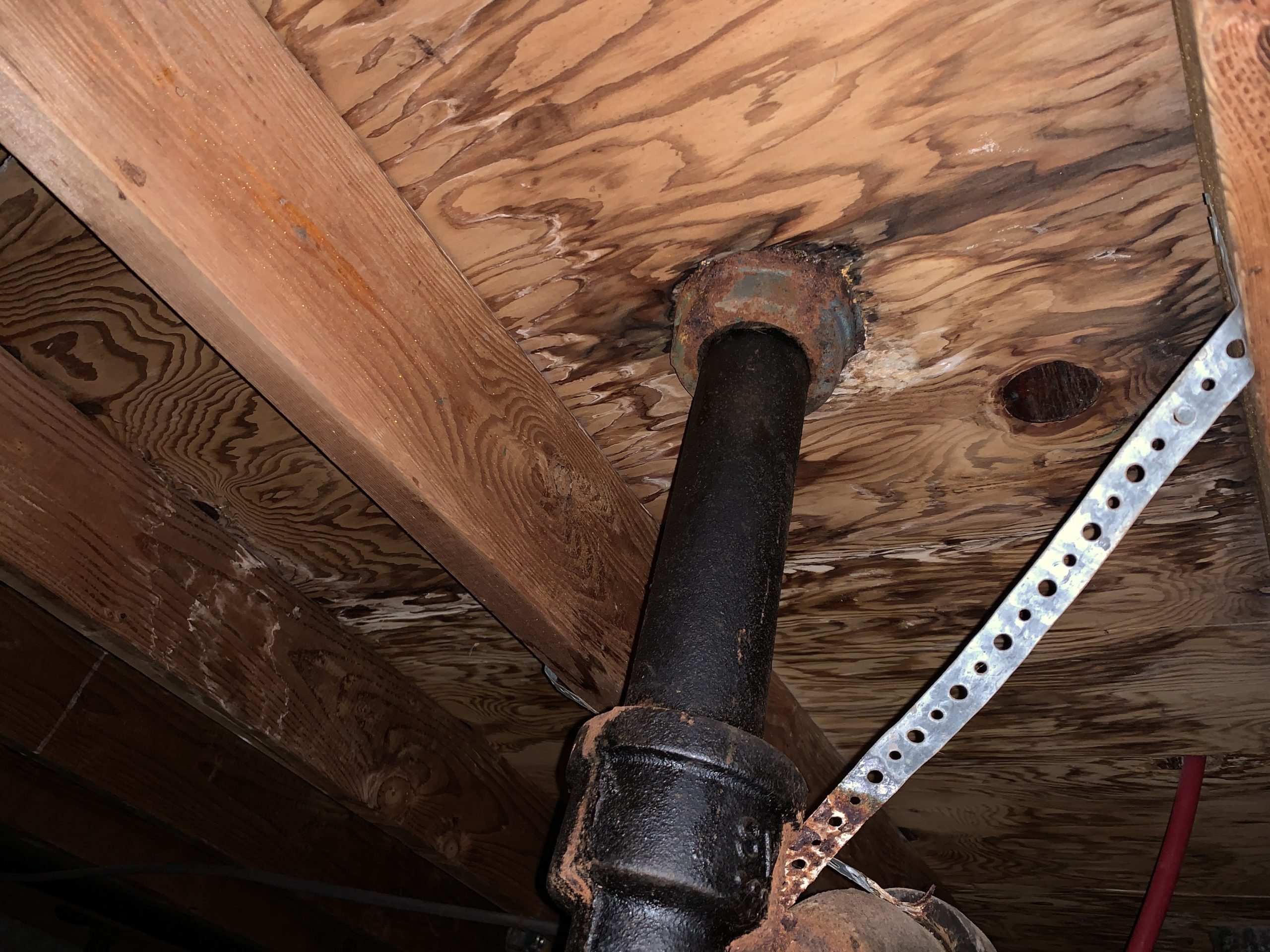
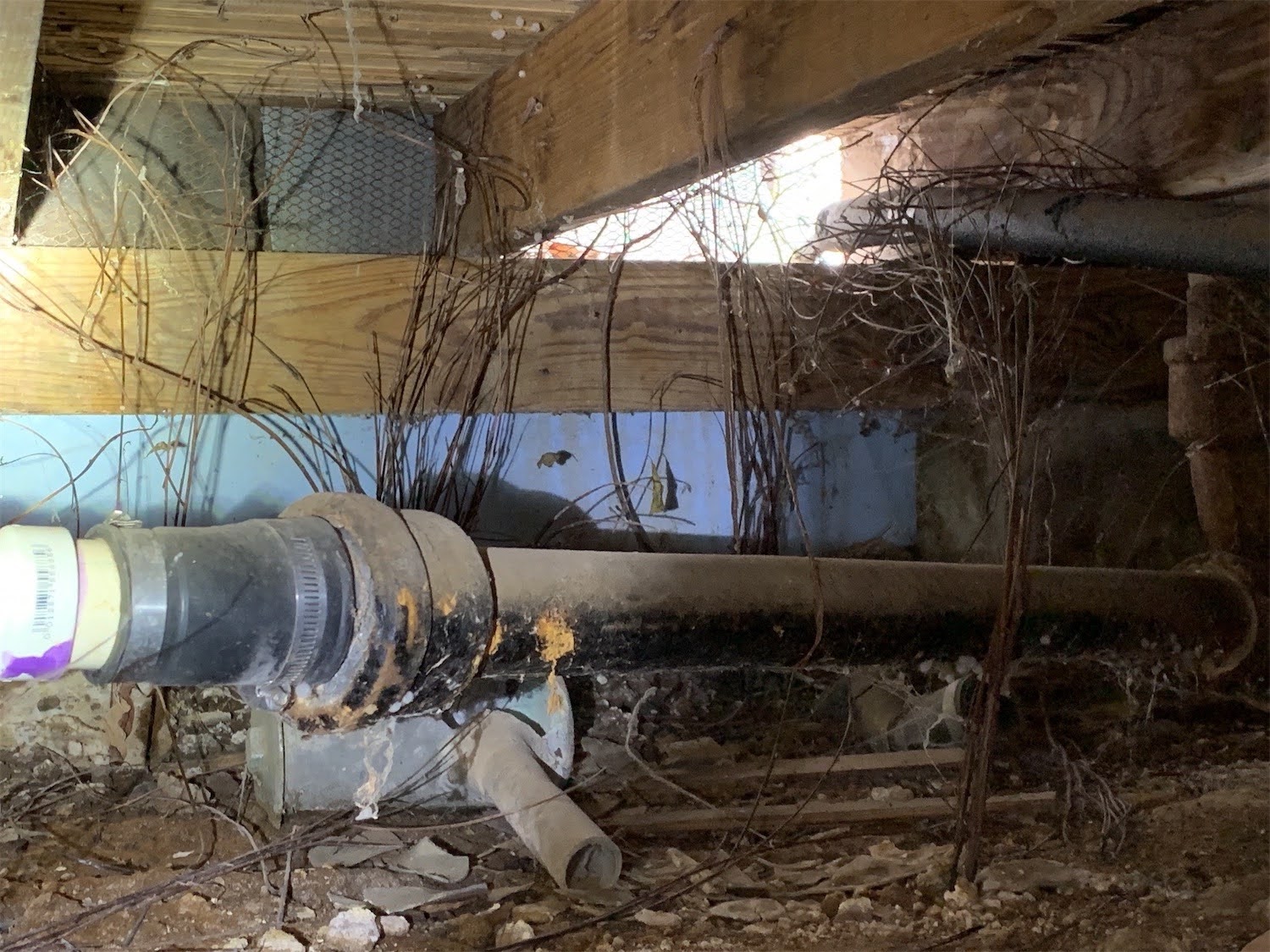
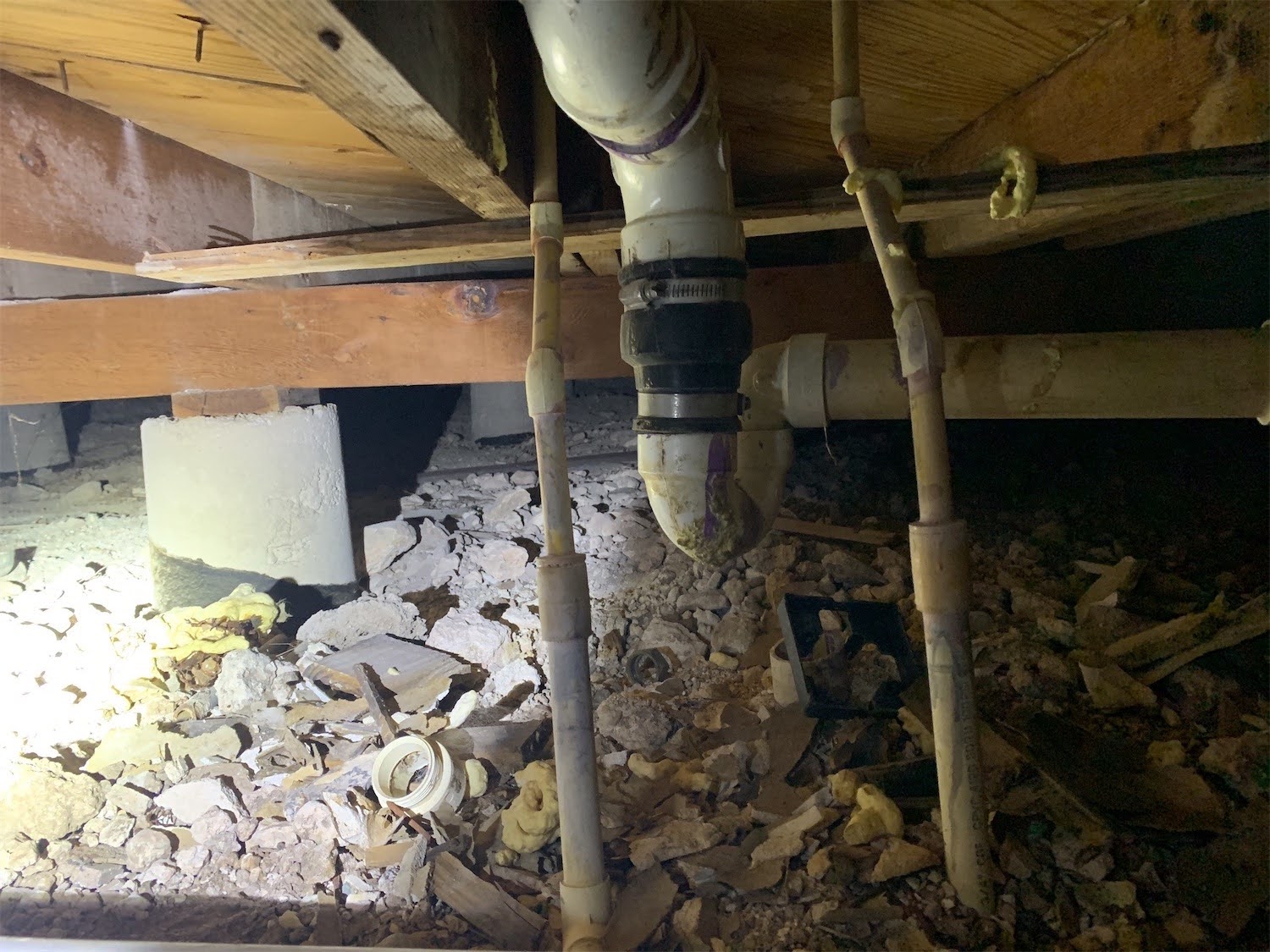
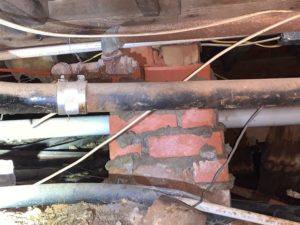
I have conducted inspections of thousands of homes that were plumbed with cast iron waste piping. Some of this piping has been in good condition – at least as far as I could tell. On the other hand, I have seen a lot of cast iron that is split open and leaking badly. I have seen cast iron drain pipes underneath homes with splits/cracks in them that are up to four or five long.
Obviously, I cannot see what is going on with cast iron piping that is buried underground, but I have seen piping that plumbers have had to replace, and this piping has been cracked or broken similar to some of the pipes that I have seen underneath homes.
When buried piping is damaged, roots will eventually find that source of water and get into the pipe. This will result in clogs or complete blockages.
When piping underneath a home is damaged and leaking, it puts nasty sewage underneath your home. Besides being unhealthy, this water can also result in settling of the home.
What Should You Do if Your Home has Cast Iron Piping?
It depends. If they are not causing you a problem, then you may not need to do anything. The problem is, you may not know if they are causing you a problem or not.
I have found many leaks underneath homes that were a complete surprise to the homeowner. Because of this, I would recommend that you at least have your plumbing inspected occasionally to ensure that you don’t have a problem that you are not aware of.
If you are having issues such as known leaks or recurring clogs, then it is probably time to have a plumber replace the cast iron piping. This will likely cost you several thousand dollars.
What Should You Do if the Home You are Buying has Cast Iron Piping?
 The answer is similar to that above, but since you don’t yet own the “problem” of cast iron pipes, a little due diligence is necessary.
If an inspection shows problems with some of the piping, then I would insist on those problems being repaired by a licensed plumber.
Also, If problems are found during a home inspection, I would recommend a complete inspection of the plumbing system (more thorough than what you get with a home inspection) be completed by a licensed plumber. This inspection could reveal hidden problems that couldn’t be seen by the home inspector. It could also reveal pipes that appear that they are about to fail.
Normally, replacing just one cracked or leaking pipe is like putting a Band-Aid on the problem. If a drain system is old enough that there is a cracked or leaking pipe, then it is likely that other pipes are leaking or will develop leaks within a short period of time, so replacing just on part of the system may just be a temporary fix.
Anytime, Morgan Inspection Services encounters a home with cast iron drain pipes, whether we see problems with it or not, we always recommend that the prospective buyer have a sewer scope performed. We consider this due diligence that could save the prospective home buyer thousands of dollars. You can typically have a sewer scope performed for under $200.
What is a Sewer Scope?
A sewer scope is performed by a plumber and by some home inspectors (including Morgan Inspection Services). During a sewer scope, a camera on a “cable” is pushed through the home’s drain system and looks at the condition of the piping from the inside. This is a very good way to determine the condition of the piping under the home and all the way out to where the home’s sewage system meets that city’s sewage system.
While a sewer scope is probably the most effective and economical way to get an idea of the condition of the home’s piping system, it is not perfect.
What are Some Indications that a Home May Have Problems with the Cast Iron Piping?
- An obvious leak under the home.
- “Permanent” wet spots in the yard.
- Sewage backups or slow drainage.
- Foul sewage-like odors in the home or yard.
- Insects, such as roaches or waterbugs, coming up through sink/tub/shower drains or the toilet.
- Mold or dampness on a wall where plumbing may exist in the wall.
Summary
Cast iron piping has served millions of Americans very well for many decades, but its usefulness is coming to an end due to its age. It is just one of the many things you “inherit” when you purchase an older home. I would not allow the existence of cast iron piping in a home to prevent me from buying a particular home, nor would I lose sleep at night if the home I own has cast iron piping.
However, I would definitely do some due diligence and would not live by the “out of sight, out of mind” philosophy. I would be proactive and follow the recommendations mentioned above. I would deal with any existing problems, and then I would sleep well at night.
© 2022 Mike Morgan
This article was written by Mike Morgan, the owner of Morgan Inspection Services. Morgan Inspection Services has been providing home, septic and well inspection services throughout the central Texas area since 2002. He can be reached at 325-998-4663 or at mike@morganinspectionservices.com. No article, or portion thereof, may be reproduced or copied without prior written consent of Mike Morgan.