
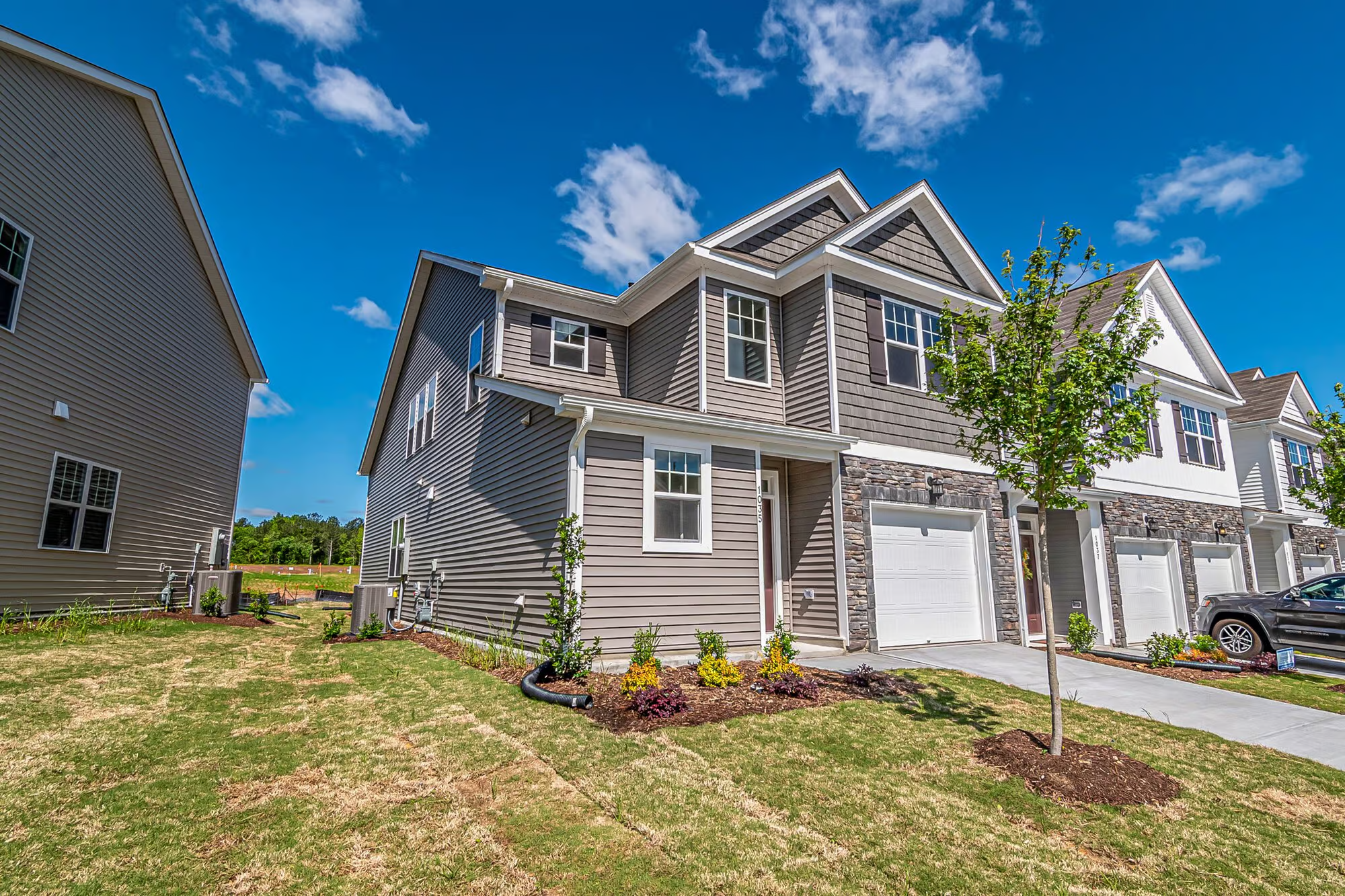
Multi-unit inspections cover every unit plus shared systems
Think about a duplex with two kitchens, two bathrooms, and two sets of heating and cooling equipment. A problem in one unit won't always show up in the other. That's why a look at one apartment can't stand in for a look at the whole property. The building also has parts that serve both households, and those can affect your costs no matter which unit has the complaint.
- Inside each unit, ask what can be checked in the rooms you can enter: visible plumbing fixtures, electrical components, heating and cooling equipment, windows, doors, and signs of water getting in.
- Across the property, ask about accessible shared areas and building components, such as the roof, exterior walls, foundation, and any common hall or utility space.
- Where equipment or lines serve more than one unit, find out what can be seen. A shared water line or electrical area may be important, but an inspection can't reveal every hidden connection.
The number of units alone doesn't tell you how the property works. Two side-by-side homes might have separate equipment, while another building has one system serving several units. You don't need to sort that out by looking at the listing. You do need to tell the inspector how many units there are, whether they're occupied, and what you know about shared spaces and equipment. Those details help you discuss the right scope instead of assuming every door leads to the same setup.
Access matters just as much as the unit count. If a tenant isn't available or a utility room is locked, that part of the property may remain unexamined. Ask which units and shared areas can be entered, and how any limits will be identified. If you can arrange access to only one unit before a decision deadline, treat the result as a partial picture. It may still help you understand that unit, but it can't tell you the condition of rooms no one could enter.
When you contact Morgan Inspection Services about a multi-unit property, have the unit count and access details handy. We can talk through what you need to know about the individual units and shared parts before you decide what to schedule.
Two or more dwelling units means you need this service, not a standard inspection
If the property has two or more separate places for people to live, ask for a multi-unit inspection rather than assuming a standard home inspection covers it. A duplex is the easy example, but the choice isn't always clear from a listing. A house with an added living space or a building described as a single property may still have more than one dwelling unit. Tell the inspector what's there, not just what the listing calls it.
Start with how people use the space. Does each household have its own living area and a way to cook and bathe? Could someone live in one part without using the other household's rooms? Those details help describe the property you want inspected. You don't need to settle its legal classification yourself, and an inspection isn't a ruling on whether an added unit is permitted. You're trying to make sure the inspection request matches the building in front of you.
The reverse matters, too. A house doesn't become a multi-unit property just because several people live there. Roommates sharing one kitchen and the same living space are different from two separate households in a duplex. Likewise, an extra bedroom or a finished room isn't, by itself, another dwelling unit. If it's one home with shared household spaces, ask about a standard pre-purchase home inspection instead. You don't need to request a multi-unit inspection just because the home is rented.
This distinction affects the decision you'll make with the findings. If you're buying a duplex, you're deciding whether to take on the whole property, not just one side of it. A request framed as one home can leave you and the inspector talking about different jobs. That confusion is worth clearing up before you schedule, especially if your purchase decision has a deadline. It won't help to discover afterward that you expected an answer about a building you hadn't fully described.
When you call Morgan Inspection Services, describe the building in plain terms: how many separate living spaces it has, whether they're in one building or more, and anything about the layout that makes you unsure. Mike Morgan founded the business in Brownwood in 2002 and holds TREC license #6231. You don't have to know the right label before you call. You do need to give enough detail to discuss which inspection fits the property you're considering.
Credentials matter more when more units are on the line
When you're taking on more than one dwelling unit, you need an inspector who can help you understand how a problem may affect the whole property. A stain on a ceiling is worth noting. It's also worth asking what sits above it and whether the concern could extend beyond that room. Good credentials don't answer those questions by themselves, but they give you a sound reason to ask who will be doing the work.
Mike Morgan holds TREC license #6231. He has a chemical engineering degree from Texas Tech University and spent five years as a Navy submarine officer. Those are different kinds of technical experience, but each taught him to take systems seriously. In 2019, he was one of six home inspectors selected for the Texas Real Estate Commission's Inspector Advisory Committee, which helped write rules and educational materials for inspectors. He considers that work a privilege.
What should those credentials mean to you? They shouldn't be a promise that an inspection will uncover every defect. They should make it easier to have a careful conversation about what you need to learn. If a report flags a concern in one part of a building, you need to know what was observed, what remains uncertain, and whether someone with a different specialty should evaluate it before you decide what to do.
Before you hire any inspector for a multi-unit property, ask who will perform the inspection and what license they hold. Then ask how the proposed scope will be described and how the findings will distinguish an observed condition from a suspected cause. That distinction matters if you're weighing a repair request or deciding whether you can afford to take on the building. A clear description of an issue helps; an unsupported guess about its full cost doesn't.
Also ask how the report will identify anything that couldn't be evaluated. That isn't fine print. If you mistake an unknown for an all-clear, you may make a decision the inspection never supported. On a property with several households, the cost of that misunderstanding can reach beyond the room where you first noticed a problem. You want enough clarity to decide whether to move forward, ask for more information, or bring in a specialist.
You don't need an inspector to tell you that every part of a building is perfect. You need an honest account of what could be checked and what the findings mean for your decision. That's the point of discussing qualifications and scope together, rather than choosing by a license number alone.
Thinking about a multi-unit inspection in Brownwood? Let's talk.
Call (325) 510-3305 · report within 24 hours
Occupied units require scheduling coordination before inspection day
If people live in the units, arrange access before inspection day. Put one person in charge of coordinating with the occupants, whether that's the seller, property manager, or your agent working through the seller. A buyer shouldn't assume that having an inspection appointment means tenants know about it or have agreed to let anyone in.
Give that contact a list of every unit you hope to have inspected and ask them to confirm access to each one. Say whether anyone will need to let the inspector in, whether keys or codes are needed, and whether an occupant has a time they can't accommodate. If you have four occupied units and two vacant ones, don't let a general answer like “the building will be open” stand in for six clear answers. You want to know which doors will open.
Ask about spaces the occupants may control, too. A tenant might have the key to a storage area or garage that the seller doesn't carry. A room might be full of belongings, even if the front door is unlocked. You don't need to ask anyone to move out for the day. You do need to find out whether the spaces you want considered can be entered and seen without asking someone to shift a roomful of furniture at the last minute.
Be clear with occupants about the appointment through whoever manages the property. They should know when access is requested and whom to expect, rather than finding a stranger at the door. If someone works nights, has a pet that needs to be secured, or can't be home during the proposed time, it's better to hear that while there's still room to coordinate. Follow the property's applicable notice and permission requirements; an inspection appointment doesn't replace them.
If a unit won't be available, find out before the date is set whether another access time is possible. Your purchase deadline matters here. It may leave time to arrange a second visit, or it may mean you'll have to decide with that unit unseen. Neither choice should be a surprise on inspection day. Ask your agent about your contract deadlines if access is uncertain; the inspector can't change those dates.
Once the seller or manager has confirmed the arrangements, pass along any access instructions and known limits when you discuss the appointment. That keeps the focus on the building you need to understand, instead of spending the scheduled time sorting out who has a key.
Per-unit pricing structure and what drives cost up or down
There isn't one standard way to price a multi-unit inspection. An inspector may quote a base fee plus an amount for each unit, set a fee for the whole building, or put together a quote based on the property. What matters to you is what that quote covers. The lowest number isn't much help if you thought it included six units and the inspector priced only four.
Unit count is a starting point, not the whole calculation. A six-unit building has more kitchens, bathrooms, and equipment to consider than a duplex. But two properties with the same number of units can still take different amounts of work. One might have compact units in a single building. The other might have larger units, separate buildings, or several shared spaces.
The layout matters, too. Separate heating and cooling equipment in each unit means more equipment to account for than one shared system. A property with a common hall, basement, or laundry room also has space beyond the individual units. Ask how those areas figure into the quote. Don't assume a fee described as “per unit” includes every part of the building.
When you ask for a quote, describe the property as it is, then compare the answers to these questions:
- Is the fee based on each unit, each building, or the property as a whole?
- How many units and buildings does the quote include?
- Are shared spaces and building components included, or priced separately?
- Are there separate charges for requested services outside this inspection?
- If a space can't be inspected at the scheduled time, what would another visit cost?
That last question is about the price of a possible return visit, not a reason to assume one will be needed. It helps you understand your choices if part of the property isn't available. Likewise, if you want a service beyond the multi-unit inspection, name it when you ask. You can then tell which work belongs in this quote and which work needs a separate price.
Before you choose, ask for the total quoted fee and the scope behind it in writing. Check that the unit and building counts match the property, and ask about anything you expected to be included but don't see. That gives you a fair way to compare quotes and a clearer idea of what you're paying to learn before you make a decision on the property.