
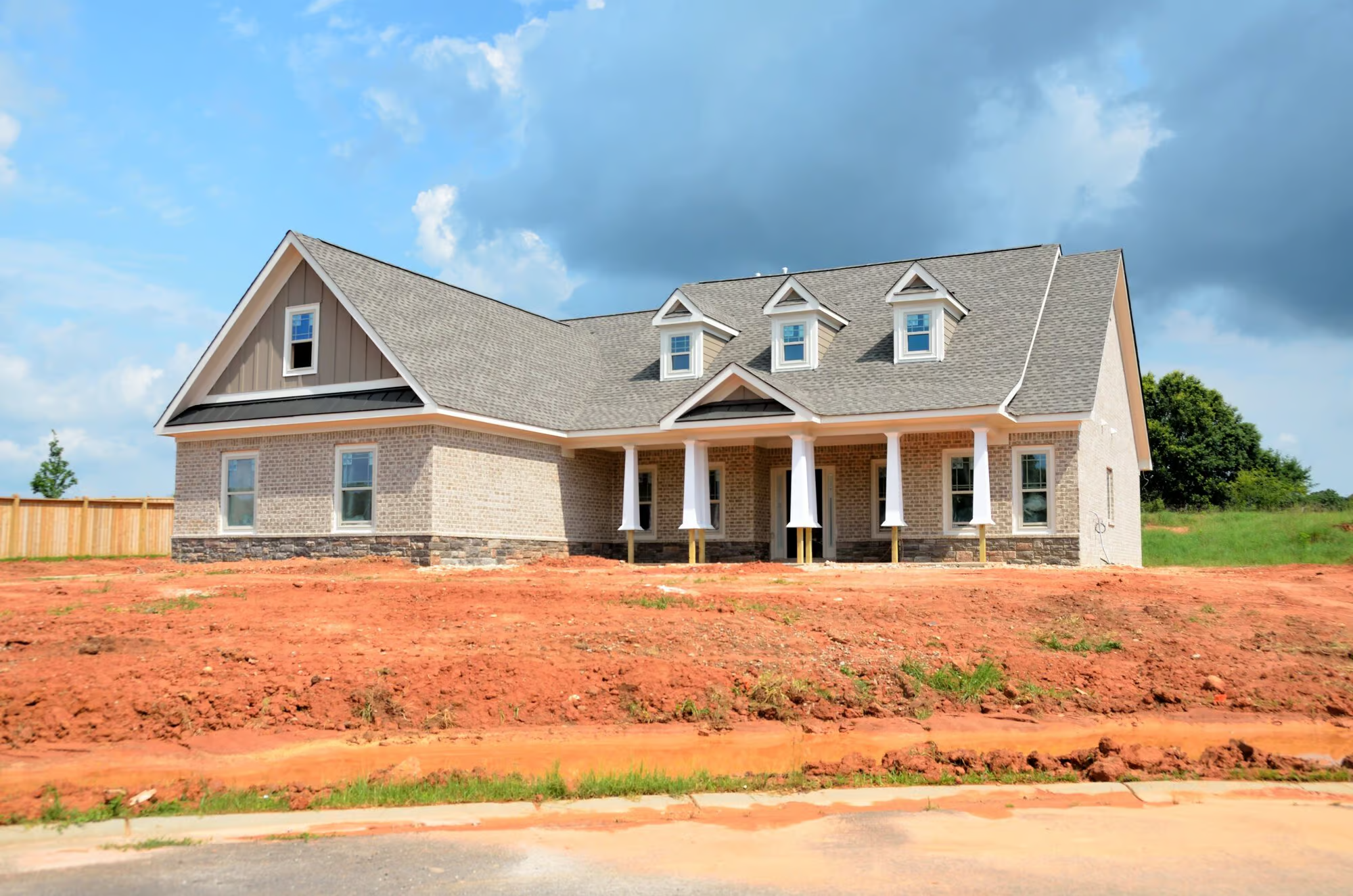
Three build phases decide when to call
If you're building a home in Brownwood, ask your builder for the next few construction milestones, not just the expected completion date. Three phases matter because the same part of the house can be easy to see one week and hidden the next. You don't have to know every construction term. You do need to know whether the foundation has been poured, whether the walls are still open, and whether the home is nearly finished. Those answers make it easier to ask for the right inspection.
- Before the foundation is poured: This is the window when parts of the foundation setup are still in view. Once concrete covers them, a finished-home inspection can't give you that same view. If the builder says the pour is coming up, ask what will be ready to see and whether there's time to arrange an inspection first. Don't assume a look at the completed foundation answers every question about its earlier setup.
- Before the walls are closed: With framing and some installed systems exposed, you can ask questions about work that drywall will soon hide. The exact work visible depends on how far construction has progressed. Ask the builder when the walls will be closed and which parts of the home will be accessible before then. This stage isn't a substitute for checking the finished home, when fixtures and equipment are in place.
- When the home is nearly complete: This is the point to ask about an inspection of the finished house before you make your final decisions. You'll want enough work completed for the home's visible systems and features to be checked. Ask the builder what's still unfinished and when the home will be accessible. If something isn't installed or can't be reached, don't treat it as though it was checked.
The choice isn't always all three phases or nothing. If construction is already past one stage, focus on what can still be seen instead of trying to recreate a view that's gone. Tell us the current stage, the next date the builder has given you, and what you most want to understand. That gives us a clear starting point for discussing a new construction inspection. It also helps you ask a practical question before scheduling: which parts of this home will be ready and available to inspect on that date?
Why a finished city permit does not replace an independent check
If your builder says the Brownwood city permit is finished, that's useful information. It tells you where the project stands in the city's process. It doesn't tell you that every part of the home you're about to receive is working as it should. That's why an independent inspection can still be worth having: it answers a different question.
Think of it this way. A city sign-off isn't a report written for you about the condition of the whole house. It won't necessarily tell you whether a door latches, a bath fan runs, or there's a water stain under a sink. Those may sound like small things, but they're exactly the sort of details you'll want to understand before you accept the finished home. A completed permit and an independent inspection aren't competing opinions. Each has its own purpose.
You also shouldn't treat an independent inspection as permission to skip the city's process. Ask the builder whether the permit is complete, whether any city items are still open, and what work is still underway. If the builder says everything's done but you can see unfinished work, ask which parts will be ready to check when the inspection takes place. That keeps you from mistaking a scheduling date for a complete look at the home.
The useful question isn't, "Has someone inspected it?" It's, "What was checked, for whom, and what can I still learn about this house?" A home inspector in Brownwood can help you look at the home's visible condition from your side of the purchase. No inspection can confirm the condition of work that isn't visible or accessible. Knowing that limit matters as much as knowing what was found. It helps you ask the builder clear questions instead of assuming a sign-off settled them.
Mike Morgan holds TREC license #6231. When you're deciding whether to arrange an independent check, start with the permit status, the work that's still incomplete, and the date you'll need to make your decision about the home. Those facts will help you decide what an inspection can usefully tell you now. If the permit is finished, you can be glad that step is behind you without asking it to answer a question it wasn't meant to answer.
What gets hidden once drywall goes up
Drywall changes what anyone can learn about a new house. Once it's up, you can see the finished room, but not much of the work inside its walls. A pre-drywall inspection gives you a look at work that's still exposed. It doesn't prove every hidden part of the home is right, and it doesn't replace a check of the finished house. It gives you a chance to ask better questions while you can still see where things run.
Take the wall behind a bathroom sink. After it's finished, you can check the faucet and look for leaks under the cabinet. Before drywall, you may also be able to see how the supply and drain lines run through the open wall. Those are different views of the same space. Neither one tells the whole story on its own.
- Framing: Open walls can show the layout of studs, openings, and other visible framing. Later, the painted surface won't show how those parts were put together.
- Electrical work: You may be able to see cable runs and electrical boxes before they're covered. That view doesn't tell you how every outlet or switch will work once the house is finished.
- Plumbing: Exposed supply and drain lines can be seen where they pass through open walls. A later check can tell you more about fixtures and visible leaks, but not show those covered runs.
- Heating and cooling: Open areas may show duct runs and where they connect to rooms. Whether the finished system heats and cools the home is a separate question.
What you can see depends on how far along the work is. Some walls may already have insulation, while others may not yet have all their wiring, pipes, or ducts in place. An open wall isn't automatically a complete wall. If a part isn't installed or is already covered, it can't be judged from that view. A note about what was visible isn't a promise about what wasn't.
The value here is being able to point to something specific. If a pipe, cable, or duct route raises a question, you can describe its location to the builder while the layout is still plain to see. That's more useful than trying to work out where it went from a finished wall. And if the walls are already closed, you haven't lost the chance to learn about the house. You'll just be asking different questions about the parts you can still see and use.
Thinking about a new construction inspection in Brownwood? Let's talk.
Call (325) 510-3305 · report within 24 hours
An inspector who helped write Texas inspection rules
When you're choosing someone to inspect a new house, it's fair to ask what they know and what their credentials mean for you. Mike Morgan holds TREC license #6231. In 2019, he was one of six home inspectors appointed to the Texas Real Estate Commission's Inspector Advisory Committee. The committee helped write rules and educational materials for the inspection profession. Mike considered it a privilege. It was also a good reminder that a useful inspection starts with being clear about what an inspector can see and assess.
That committee work doesn't mean Mike wrote Brownwood's building rules or approved your builder's work. It isn't a reason to skip your own questions, either. Think of it as background that helps you decide whom to trust with a close look at the home you're buying. You should still know what stage the house is in, which areas will be available, and what decision you'll need to make after the inspection.
Mike's background before home inspection was in chemical engineering. He earned his degree at Texas Tech University, then spent five years as a U.S. Navy submarine officer. He founded the business in Brownwood in 2002 and has inspected homes full-time since then. Those experiences taught him to be curious about how systems work together. They don't let anyone see through a finished wall or make a call about something that hasn't been installed. No credential does.
What matters to you is whether an inspection helps turn a concern into a question you can take to the builder. Say you notice a door that won't close cleanly. You don't need a grand theory about the house. You need to know which door it is, what happens when you try it, and whether the builder can address it before your final decision. The same plain approach helps when a finding involves a system you don't know much about: ask what was observed, what remains uncertain, and who can answer the next question.
Mike enjoys explaining the nuts and bolts of a home because it's easier to make a sound decision when you understand what you're looking at. You don't have to become an inspector to ask good questions about your new house. If you're deciding on a new construction inspection in Brownwood, contact Morgan Inspection Services and tell us where the build stands and when you'll need to make your decision.
Booking early matters more in a market with fewer local inspectors
If you're building in Brownwood, don't wait for the builder to give you a final date before you start asking about an inspection. A construction schedule can shift, and an inspector's calendar may not line up with the first date you're offered. We can't tell you how many local inspectors will have an opening when you need one. The practical point is simpler: more notice gives you more room to coordinate.
Start by asking the builder for a likely inspection window and the milestone that determines it. Those aren't quite the same thing. A date can move, but the work that must be ready to see tells you whether the visit will answer your question. If the builder says, "Sometime next week," ask what work they expect to finish before then and what might still be underway.
You'll also need to sort out access. Ask who can let the inspector in, whether the builder needs advance notice, and whether any areas will be off-limits. If you have a date by which you must give the builder a list of concerns, say so when you ask about scheduling. That deadline may matter more to you than the date the builder expects to finish the house.
There's no need to guess at a date just to get the conversation started. You can give an inspector the address, the current stage of the build, the builder's best estimate, and the decision date you're working toward. Then ask what information is still needed to choose a useful appointment. Keep the builder in that conversation, too. An appointment isn't much help if the home won't be accessible or the work you want checked isn't ready.
Say the builder expects the home to be ready on Friday, but you have to respond to a list of concerns on Monday. That leaves little room if Friday's work runs late or access changes. Asking about the inspection while that schedule is still being set gives you a chance to spot the conflict before the weekend, rather than after it.
If the schedule does change, pass along the update instead of assuming the original appointment still makes sense. Tell the inspector what changed and ask the builder what will be ready. You don't need a perfect construction calendar. You need a date that gives you a useful look at the home and enough time to use what you learn.