
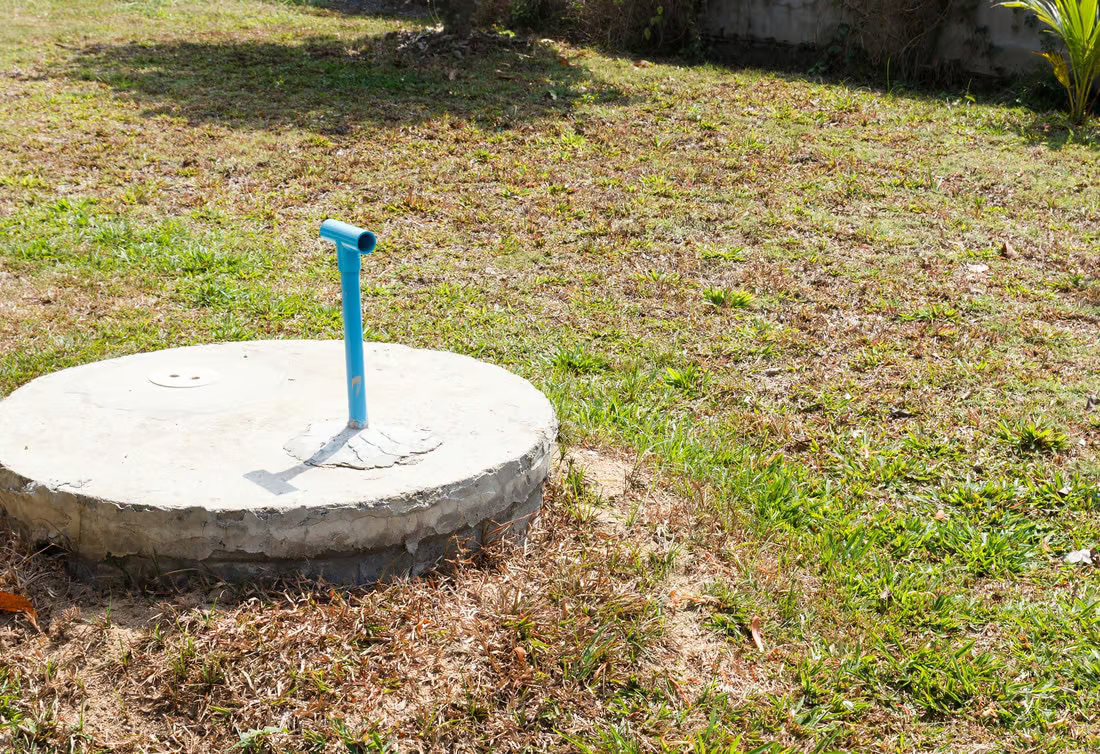
Septic inspection and septic pumping are not the same call
Think of it this way: pumping deals with what's inside the tank. An inspection deals with a bigger question: what can be learned about the system's condition? A tank can be freshly pumped while a separate part of the system still has a problem. And an inspection doesn't remove the waste that collects in the tank.
This matters when a home seller says, "The septic was just pumped." That's useful maintenance history, but it isn't a finding about the whole system. Ask for the pumping record, then ask what, if anything, was inspected. Those are two different records that answer two different questions.
It's also worth being clear about the word "inspection." What an inspector can evaluate depends on access to the system and the scope of the work. Buried parts can't simply be seen from the surface. A visual finding isn't a promise about how long the system will last. You want to know what was checked, what couldn't be checked, and which findings need a closer look.
- If your question is, "Was waste removed from the tank?" look for a pumping record.
- If your question is, "What was found when the system was evaluated?" look for an inspection and its findings.
- If you have a record but aren't sure what it covers, check whether it describes pumping, inspection, or both. Don't assume one means the other happened.
The distinction may sound small, but it keeps a simple maintenance task from being mistaken for an evaluation. A receipt showing that a tank was emptied tells you just that. An inspection gives you a different kind of information, within the limits of what could be checked. Knowing which answer you have makes it easier to decide what you still need to learn.
Signs your property needs a septic inspection now
If wastewater backs up, several drains slow down, or the ground near a septic system stays wet, a septic system inspection can help you sort out what's going on. Those signs don't tell you which part has a problem. They do tell you there's a question worth answering before you assume it's just a clogged sink.
- More than one drain is slow, or wastewater comes back up through a drain. One slow sink may have a blockage of its own. A pattern across the house raises a different question.
- You notice a sewage smell outside or an unusually wet patch near the system. Rain can leave wet ground too, so location and timing matter. A smell or soggy spot alone can't identify the cause.
- Your system has an alarm and it goes off. The alarm tells you something needs attention, but it doesn't tell you what failed. If you don't know what kind of system you have, say so when you describe the concern.
In Brownwood, a home buyer may have a different reason to ask for an inspection: not knowing enough about the system yet. Maybe you can see where the tank is, but no one can tell you where the rest of the system runs. Maybe the seller has records, but they don't answer your question about its current condition. You don't need to wait for a bad smell to want a clearer picture before deciding on the property.
A home inspector in Brownwood can assess a house, but that alone won't settle questions about a buried septic system. Tell us what you've noticed, when it started, and whether it happens after heavy water use or wet weather. When buying, ask the seller for any system records they have. Those details give you a better starting point than hearing only that the septic "seems fine."
It's just as important not to read too much into one clue. A green patch of grass might catch your eye, but it doesn't prove there's a septic problem. No odor doesn't prove the system is sound, either. The useful question is what can be checked and what remains unknown. That's especially true when the system is buried and you can't judge its condition by looking across the yard.
If the concern is an active backup, don't treat it as a routine question about a future purchase. Describe what's happening when you call so you can find out whether an inspection is the right next step. If there are no symptoms and you're weighing a purchase, the decision is simpler: get clear about the system before you rely on assumptions about it.
Why real estate deals in Brown County often require this inspection
When buying a home in Brownwood with a septic system, the inspection matters most before you lose the chance to ask questions or change course. A real estate contract may set a short period for inspections. A lender may also have its own requirements. That doesn't mean every sale is required by law to have a septic inspection. It means you need to know what your particular deal calls for, and when.
Start with your agent or lender. Ask whether your contract or loan calls for a separate septic inspection, what kind of written findings they need, and the deadline for providing them. Don't assume a general home inspection will meet a requirement that specifically names the septic system. If the wording isn't clear, get it clarified before you schedule anything. You don't want to reach the end of an inspection period with a report that answers a different question.
The seller can help you gather the facts you need before that deadline. Ask for any records showing the system's type, location, permits, repairs, or past service. Find out who can give access to the property and whether anyone knows where the system components are. Records aren't a substitute for current findings, but they can help you and the inspector understand what system is there. If no one has the records, say that when you arrange the inspection rather than guessing.
Before hiring an inspector, ask what the inspection includes and what access will be needed. Ask how the findings will be documented, and whether the report will identify anything that couldn't be evaluated. Those questions matter because a request to 'inspect the septic' can mean different things to different people. Clear scope helps you avoid paying for work that won't answer your purchase question.
Once you have the findings, read them alongside your contract deadline. A noted concern might call for more evaluation, a repair discussion with the seller, or a decision about whether you're comfortable proceeding. A limitation matters too. If an important part couldn't be checked, don't treat the absence of a finding as proof that it's fine. Ask your agent what options your contract gives you, and ask the inspector to explain any finding you don't understand.
The point isn't to make a real estate deal more complicated. It's to get a usable answer while you still have time to act on it. Mike Morgan holds TREC license #6231 and has inspected homes since 2002. When you contact Morgan Inspection Services about a septic system inspection, have your deadline and any system records handy so you can ask whether the available inspection scope will answer what you need to know.
Thinking about a septic inspection in Brownwood? Let's talk.
Call (325) 510-3305 · report within 24 hours
What happens during a septic system inspection
A septic inspection starts with a basic question: where does the wastewater go after it leaves the house, and is there visible evidence that the system isn't handling it as it should? The inspector works from what can be found and accessed on the property. That may include the tank area, visible pipes or other components, and the ground where wastewater is meant to drain. The exact checks depend on the system and the scope you arrange.
At the tank, an inspector may look for signs of damage, leaking, or trouble where wastewater enters and leaves, if those areas are accessible. Some systems also have a pump, control panel, or alarm that may be part of the evaluation. There isn't one layout that fits every property, so the inspector first needs to understand what components are present. A drawing or permit record can help identify them, but the record doesn't show how they're working today.
The drainfield is another part of the picture. Its job is to receive wastewater after it leaves the tank. An inspector can look at the ground for signs of trouble, such as wastewater surfacing or an area that stays wet. Surface conditions are clues, not a view into every buried pipe. Wet soil after rain needs context before anyone can say what caused it.
An inspection may also include checking how the system responds when water is used in the house. Ask whether that kind of check is included in the inspection you're arranging and what it can show. A system's response during a short check is useful information, but it isn't the same as seeing how every buried part performs over months of normal use. A clear finding should say what was observed rather than make a broad promise about the whole system.
You should come away knowing which components were identified, which were examined, what concerns were found, and what couldn't be determined. Those limits matter just as much as the visible findings. If a tank lid isn't accessible or the drainfield's location is unknown, the inspector can't give the same answer they could with access to those areas. The next step may be to locate a component or have a qualified septic professional evaluate a specific concern. You don't need a report that guesses at what's underground. You need one that helps you decide based on what could be checked.
One inspector for septic, well, and sewer line scope
When buying a house in Brownwood with a septic system, start with the questions you need answered, not a list of every inspection you could order. A septic inspection won't answer everything about the water coming into the house or the pipe carrying wastewater away from it. Those are related parts of the property, but they aren't the same question.
Morgan Inspection Services also offers well system inspection, which addresses the property's water supply. We offer sewer line scope to look at the waste line. Neither service is automatically part of a septic inspection, so ask about each one by name if it matters to your purchase. Having one company offer all three doesn't mean every component can be checked on every property or that the services are booked together.
A useful first question is whether the house has its own well. If it doesn't, you don't need a well inspection for that house. If it does, the well and septic system give you two separate decisions to make about the property's water. A finding about one doesn't settle the other.
The sewer line takes a little more thought. Say the seller tells you the tank was serviced last year, but no one knows whether the line from the house has ever been checked. The service record won't answer that question. Ask whether a sewer line scope is possible, what stretch of pipe it would cover, and where access would be needed. Don't assume the scope would show the tank or the rest of the septic system.
When you call, tell us which of these systems the property has and which questions are still open. If you're working toward a purchase deadline, give us the date and ask which services can be arranged in time. You can also ask what would be documented separately, so you know which finding answers which question. That matters more than trying to fit three different concerns under the word "septic."
There's no reason to order a service for a system the house doesn't have. And if your concern is only the septic system, say that. The goal is to get the right inspection for the decision in front of you, not to add work because the services sound connected.