
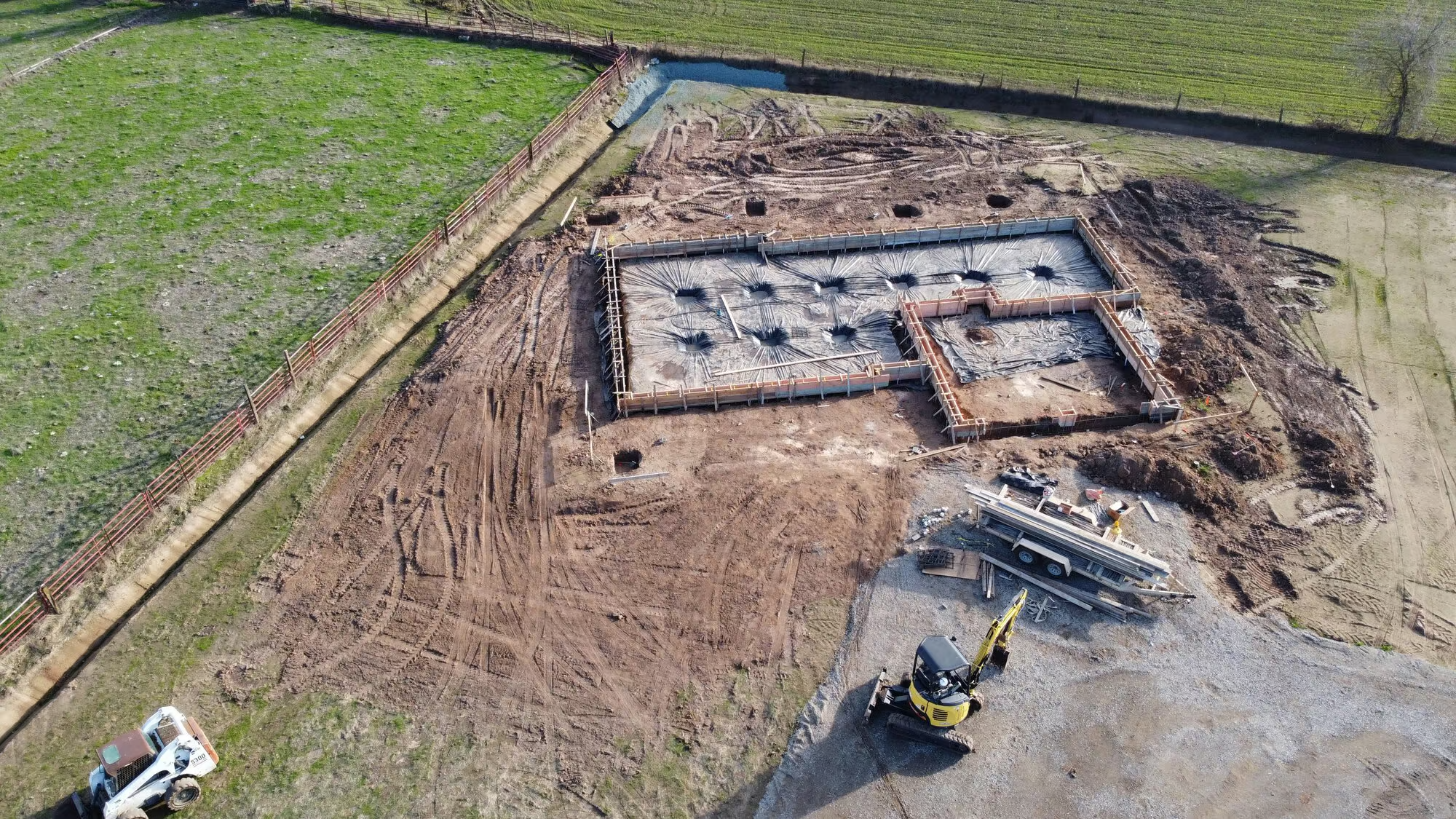
Why timing decides whether this inspection is even possible
A foundation pre-pour inspection in Abilene depends on what's visible that day. Before concrete goes in, you can still see the shape of the forms and exposed parts of the foundation setup. Once concrete is placed, photos or paperwork may tell you what was planned. But they can't give you the same view of what was there just before the pour. That's why the pour date matters more than the date you expect to move in.
There's a too-early problem as well. Suppose the forms are up, but the work inside them is still underway. An inspection at that point can show what's there, not what will be added or changed later. You don't want to mistake an unfinished setup for the final one. The useful question for your builder is whether the foundation will be ready to view before concrete is placed, not simply whether work has started.
The timing can be easy to miss if you're buying a new home rather than managing the build. You may hear that the foundation is next and assume there's plenty of time. But a scheduled pour gives you a real deadline: the setup has to be accessible before it's covered. If your builder gives you a date, make sure you know whether that's the day concrete goes in or just an estimate for when the foundation work will be ready.
This inspection also has a clear limit. It's a look at visible conditions at a particular stage, not a way to see through finished concrete or approve an engineer's design. If the foundation has already been poured, calling a later visit pre-pour won't bring that view back. You can still ask the builder what records exist from before the pour, but those records answer a different question than an in-person look at exposed work.
Mike Morgan holds TREC license #6231. The practical thing to tell us when you contact Morgan Inspection Services is where the build stands and whether a pour date has been set. That gives you a way to find out whether the foundation is ready to inspect while the work you're concerned about can still be seen.
What gets checked before the concrete truck arrives
A foundation pre-pour inspection looks at the setup you can see, not the strength of a slab that hasn't been poured. The point is to spot visible work that looks out of place, damaged, or unfinished so you can ask the builder about it. Exactly what's available to check depends on the foundation design and how far the work has come.
- Forms and layout: The forms mark the foundation's edges and shape. A visual check can raise questions about a gap, a loose-looking section, or a layout that doesn't appear to match the plans, if those plans are available.
- Steel or cables: Where reinforcement is exposed, its visible placement and condition can be reviewed. That doesn't mean an inspector can confirm by sight that the design is right or that every part hidden below the setup is in place.
- Pipes and openings: Plumbing lines, sleeves, and other openings may pass through the foundation area. Their visible locations matter because moving one after the pour is a very different job from asking about it while it's exposed.
- Surfaces and coverings: Depending on the design, parts of the ground, fill, or a moisture barrier may be visible. Tears, exposed gaps, or standing water can prompt questions, but a visual look can't measure soil compaction or test what's beneath the surface.
The plans can make those questions more useful. If a pipe comes up in a spot you didn't expect, the first question isn't necessarily, is it wrong. It's, is this where the plans show it. The same goes for a change in the foundation's shape or an opening through it. A visible difference deserves an explanation. It isn't proof of a defect on its own.
Some important answers won't come from looking. An inspector can't tell whether buried soil was compacted properly, confirm an unseen line was tested, or predict the strength of the concrete that will arrive. Those questions need the right records or tests from the people responsible for that work. A pre-pour inspection gives you a clearer view of the exposed setup and more specific questions to take to your builder, without pretending it can settle what isn't visible.
Why Abilene's clay soil raises the stakes on foundation prep
Clay soil matters because it can change as its moisture changes. It can swell when it gets wetter and shrink when it dries. That movement can put uneven pressure on a foundation over time. In parts of Abilene where clay is present, the work beneath and around a new foundation deserves careful attention. But Abilene has clay doesn't tell you what soil is under your particular house, how it was prepared, or what the foundation was designed to handle.
That's the distinction worth keeping in mind before the pour. A visible setup can look neat without answering the deeper soil questions. The ground may include natural soil, brought-in fill, or both. What happened before the foundation work became visible matters too. If you don't have that history, a pre-pour look can't fill it in. It gives you a chance to notice what can be seen and ask for the information that explains the rest.
Suppose you're looking at a new home and someone says the soil was taken care of. That might be reassuring, but it's fair to ask what they mean. Was there a soil report for this lot? Are there foundation plans, and do they reflect the conditions found here? If fill was used, what records show how it was placed and tested? Those are questions for the builder and the people responsible for the soil work and design. A visual inspection doesn't replace their records or judgment.
The answers may vary from one lot to the next. Two homes on the same Abilene street don't necessarily sit on identical ground, especially if one site was cut down and another was built up. A claim about the neighborhood's soil isn't a substitute for information about your homesite. You don't need to become a soil expert to ask whether the builder has lot-specific information and whether the foundation work follows the plans for that site.
Clay also isn't a prediction that your home will have a foundation problem. The useful point is narrower: when soil conditions can affect how a foundation performs, it's worth understanding both the exposed work and the records behind it while the build is still at this stage. That gives you questions tied to this house, rather than a guess based on what you've heard about Abilene soil.
Thinking about a foundation pre-pour inspection in Abilene? Let's talk.
Call (325) 998-4663 · report within 24 hours
Builder self-checks and city permits are not the same thing
If your builder says the foundation has already been checked, ask one more question: checked by whom, and for what? The builder's own check, a city inspection, and an inspection you arrange serve different purposes. One doesn't make the others pointless, but none of them gives you every answer.
A builder's self-check is part of managing the job. The builder may compare the work with its plans and ask the crew to fix something before moving ahead. That's useful, but it's still the builder reviewing work it hired people to do. You can ask what was checked, whether anything changed, and who confirmed the work was ready for the next step. We checked it doesn't tell you much until you know what that means.
A permit tells you the project has gone through a permitting process. It doesn't, by itself, tell you that every part of the foundation setup is right. If a city inspection applies to your build, its purpose is to address the requirements under that city's authority. It's not a personal review of every question you might have as the buyer. For a home inside Abilene, ask the builder which permits and city inspections apply to this foundation, and whether the relevant inspection has been completed or is still pending. Don't assume a permit and an inspection are the same thing.
An independent pre-pour inspection gives you a separate look at the work while it's exposed. Its value is in helping you ask clear questions about what can be seen, even if the builder has checked its work or a city inspection has taken place. It doesn't replace either one, and it doesn't give the inspector authority to approve the pour. If something looks different from what you expected, the builder is the person to explain it and, when needed, involve the designer or the people who did the work.
Say the builder tells you the foundation is approved. That might mean its supervisor signed off, a city inspection was completed, or both. Ask which one they mean and whether there's a record you can see. If you're given a document, check what it covers rather than relying on the word approved. A sign-off on one part of the job doesn't answer a question about another part. A question raised by an independent inspector isn't automatically a code violation.
You don't need to referee the builder and the city. You do need to know who's responsible for answering your questions before the work moves forward. Ask the builder for the current foundation plans, the status of any applicable city inspection, and the right contact for questions about the setup. Those answers make it easier to understand what has been checked, what hasn't, and where an independent look can help.
Who should book this inspection, and who shouldn't
Book this inspection if you're buying a home that's still under construction and you want an independent look at the exposed foundation setup. It's especially useful if you have a question you can't answer from the plans alone, such as whether an opening is where you expected it to be. You don't have to decide for yourself that something is wrong. The point is to get a clearer question to put to the builder before the work is covered.
It can also make sense if the builder has already checked the work but you want someone who isn't part of the building crew to look at it. That doesn't put you in charge of approving the foundation or changing the design. It gives you another set of eyes on what can be seen. If you haven't been to the site, ask the builder where the work stands and whether an independent inspector can access it. Don't assume that buying the home gives you permission to enter an active construction site.
Wait if the builder says the setup is still changing. An inspection of incomplete work may leave you with questions that the crew is already planning to address. Ask when the foundation will be ready to view, then decide whether that stage fits what you want to learn. If the builder can't yet give you access or a clear update, sort that out before arranging an inspection.
Don't book a pre-pour inspection if the concrete is already in place. The name matters here: it describes a stage of construction, not a general foundation check. If you're buying a completed home and want a broader look at its condition, ask about a new construction inspection instead. That's a different service, with a different view of the home.
Don't book this inspection expecting it to settle a question about soil testing, engineering, or work you can't see. Those answers have to come from the relevant plans, records, tests, and people responsible for that work. If that's your only concern, ask the builder for those documents first. A visible setup can add context, but it can't turn an unanswered records question into a visual finding.
If you're unsure which side of that line your build falls on, start with two facts: what work is in place now, and what answer you're hoping to get. When the setup is ready and your question is about what will soon be covered, an independent look can help you have a more specific conversation with the builder. When the question is about hidden work or the setup isn't ready, you don't need to force an inspection that can't answer it.