
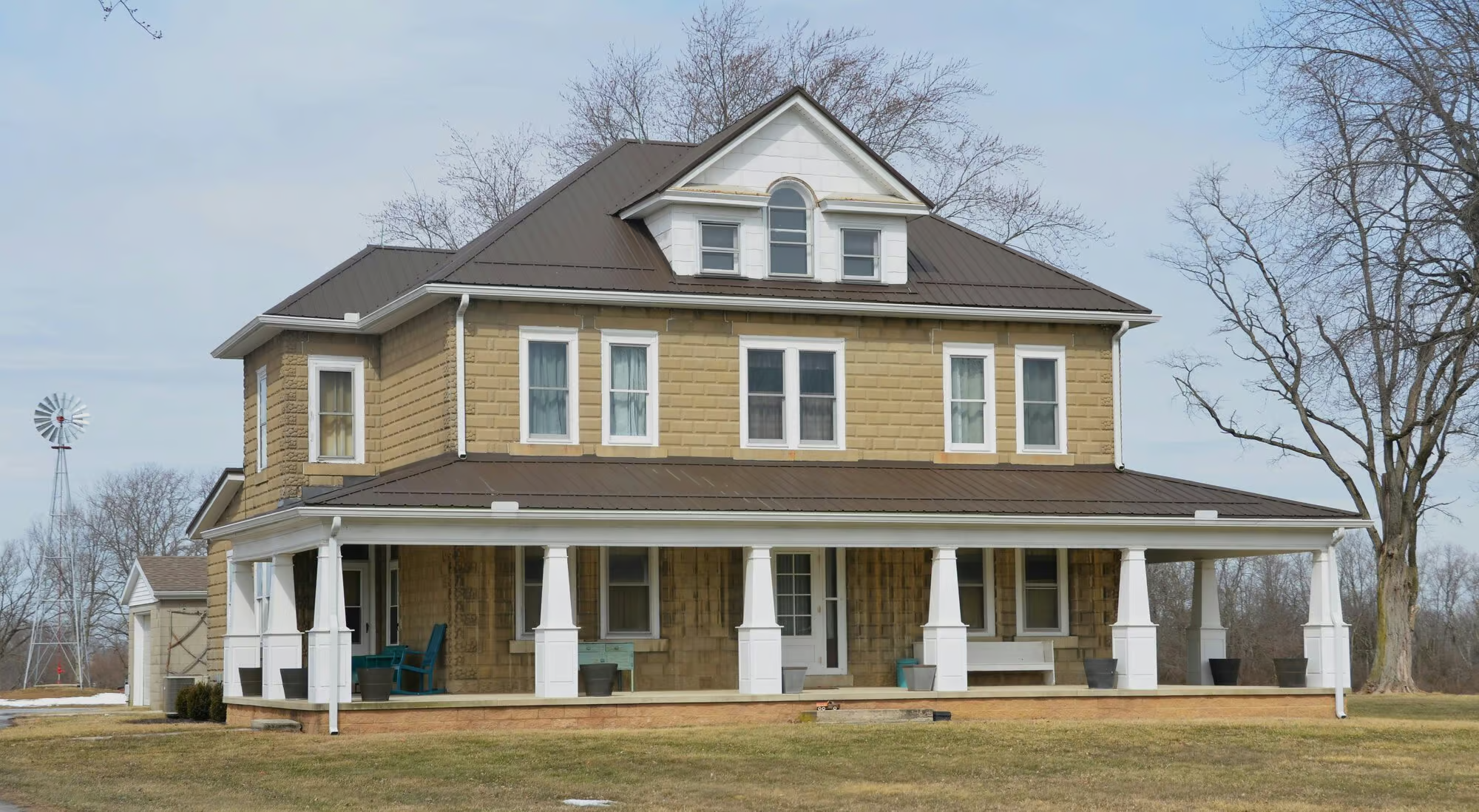
A rental inspection starts from a different question
A rental property inspection in Abilene isn't necessarily a longer version of a standard home inspection. The difference starts with the questions you bring to it.
A buyer often wants to know whether a house has problems that could change the purchase decision. If you own a rental, you may already know the building well, but you need a clear view of its condition now. A slow drain, a stain below a bathroom, or a door that won't latch can mean different things for your repair plans. An inspection can help you sort visible concerns from guesses, so you can decide what to look into further.
That doesn't mean every rental inspection includes more tests or checks every item a tenant might use. The useful scope depends on the property and what you need answered. A single house and a multi-unit building raise different access and planning questions. Before you schedule, describe the building, say whether it's occupied, and point out any known concerns. Ask which areas can be inspected and whether a concern calls for a separate specialist. That conversation is more useful than assuming the words "rental inspection" cover everything.
It's also worth separating a condition inspection from a tenant walk-through. A dated move-in or move-out record tracks the condition of finishes, fixtures, and belongings at a particular time. A property inspection looks at the building and its systems. One doesn't settle every question the other raises, and an inspector's observations alone won't tell you who caused damage or what a repair will cost.
Suppose a tenant reports a recurring damp spot, but it looks dry when you visit. The useful question isn't just whether a stain is visible. You'd want to explain where it appears, when it was noticed, and whether there's been past work nearby. That gives the inspector a specific concern to consider without assuming the cause. If a suspected issue is hidden behind a wall, a visual inspection may not settle it; you can then decide what further evaluation to arrange.
The point is to leave with a better basis for your next decision, not a blanket statement that a rental is ready for occupancy. Mike Morgan holds TREC license #6231. When you contact Morgan Inspection Services, tell us what you own and what you're trying to learn. We can discuss the rental property inspection you have in mind without pretending one inspection answers every question about managing the property.
Match the inspection to your property's scope
Start with the decision you need to make. Are you checking a vacant house before putting it up for rent, or trying to understand a problem in an occupied building? Those call for different conversations. In a vacant house, you may be able to provide access to every room. In an occupied property, the useful scope may depend on which spaces can be entered and whether the reported problem can be seen on inspection day.
For a single-family rental, tell us about any additions, detached buildings, or areas you can't open. If the house has a well or septic system, mention that too. Well system inspection and septic system inspection are separate services, so don't assume they're part of a rental property inspection. The same goes for a pool or spa. It's easier to settle those questions before booking than to learn afterward that the part you cared about wasn't included.
A duplex or larger building needs a more precise description. How many units are there? Are you asking about one unit, every unit, shared areas, or the whole building? A stain in one apartment may raise a question about the space above it; a heating complaint may concern equipment used by more than one tenant. You don't need to diagnose either issue. You do need to identify the spaces involved so you can ask whether the proposed inspection can reach them. Multi-unit inspections are also available if that better matches what you own.
Access can shape what an inspector is able to observe. An occupied bedroom, a locked utility room, or a crawl space that's blocked by stored items may leave an important question open. Before booking, make a simple list of spaces you know won't be available and concerns you want addressed. If tenants have reported a problem, include the location and what they noticed in their own words. That gives the inspector something specific to work from, not a guess at the cause.
You can also decide whether you're looking for a broad picture of the property or an answer to one narrow concern. A broad inspection may help you plan repairs across the building. If your only concern is a suspected leak inside a wall or a sewer line blockage, ask whether a visual property inspection can answer it or whether a separate evaluation makes more sense. The goal is to choose a scope that can inform your decision, not to buy a wider inspection just because the property is a rental.
Specialty systems in Abilene-area rentals need separate checks
A rental can look fine inside while a system outside the house still needs attention. That matters if you're deciding what to repair before a new tenant moves in, or trying to understand a complaint from someone already living there. The key is to name the system you're concerned about. Otherwise, you may get a useful picture of the house but no clear answer about the part that worries you.
Take a well and a septic system. Water coming from a faucet doesn't, by itself, tell you the condition of the well system. Toilets that flush don't settle questions about the septic system, either. If either system is part of your rental, ask about a separate well system inspection or septic system inspection. Be specific about what you need to learn. A report of weak water flow is a different starting point from a concern about where wastewater goes.
The same distinction applies outdoors. A pool may look clean while you still have questions about its equipment; a pool and spa inspection addresses that system separately. If water shows up where it shouldn't, don't assume you know its source from the wet spot alone. A sprinkler system inspection may be worth discussing when your concern is the irrigation system. If the complaint is repeated drain backups, ask whether a sewer line scope is the right separate service. Those are different questions, and choosing the wrong check may leave the one you care about unanswered.
You don't need to order every available inspection just because a rental has several systems. Start with what you know: which system is present, what you've noticed, and what decision depends on the answer. For example, if you're planning work on a rental with a pool but nobody has reported a drain problem, the pool may deserve your attention while a sewer line scope may not. If you aren't sure whether a symptom belongs to the house plumbing or an outdoor system, say so rather than trying to diagnose it yourself.
Before you book, ask which systems are covered by the rental property inspection and which need their own service. Also ask what the proposed check can and can't tell you about the concern you've described. That small bit of sorting helps you spend your inspection time on an answer you can use, instead of finding out later that the system behind your decision wasn't part of the inspection.
Thinking about a rental property inspection in Abilene? Let's talk.
Call (325) 998-4663 · report within 24 hours
Time the inspection around tenant turnover, not a dispute
The gap between tenants is often a useful time for a rental property inspection. You can look at the building's condition before someone else moves in, then decide which findings need more attention. The important part is to schedule while you still have time to use what you learn. If the next tenant is moving in tomorrow, an inspection may leave you with questions but little room to sort them out first.
Say a tenant has moved out and you've noticed a soft spot in the bathroom floor. An inspection can help you understand what's visible now, so you can decide what to have evaluated or repaired before the next move-in. It can't tell you exactly when the spot developed or who caused it. Those are different questions, even when they come from the same patch of floor.
If your main concern is a disagreement over a deposit, start with the records you already have. Dated move-in and move-out photos, notes, and repair records can show how the property's condition changed over time. An inspection done after the tenant leaves captures a later point in time. It may give you useful information about the building, but it can't recreate a missing move-in record or settle a dispute about ordinary wear.
You don't have to wait for turnover if you're trying to make a decision about the property while it's occupied. Just be clear about the decision before you schedule. If you're planning work for the next vacancy, you may be able to wait until the spaces you need to check are available. If you need to understand the property's current condition to plan that work, waiting may not help. Either way, an inspection isn't a substitute for keeping your own dated records of tenant-reported concerns and work you've had done.
And if nothing has changed, nobody has raised a building concern, and your only question is who should pay for a mark on the wall, you may not need a property inspection for that decision. Check your turnover records first. The best time to inspect is when the findings can still guide what you do with the building, not when you're hoping they'll prove what happened months ago.
A landlord walk-through isn't a substitute for a licensed inspection
You should walk through your rental. You know which door has always stuck, where a tenant reported a problem, and what work has been done. That knowledge matters. But a familiar place can be easy to look at the same way every time. A licensed inspection gives you another view of the building's condition, with attention on questions that may affect your next repair decision.
There are plenty of things you can check without hiring an inspector. You can note a broken screen, a loose cabinet pull, or paint that needs work. You can compare what you see with your maintenance records and make a list for your repair crew. If those are the only questions you need answered, your own walk-through may be enough. You don't need a property inspection to confirm every small task on a turnover list.
The decision changes when what you see leaves you unsure about the building itself. Say an upstairs floor feels uneven. You can record where you notice it, but that observation alone won't tell you whether you're looking at a worn floor covering or something that needs closer attention. Or perhaps a room never seems comfortable even though the thermostat responds. Noting the complaint is useful; knowing what to look into next is a different question. A licensed check can confirm what was visible on the day, while leaving a specialist to evaluate a problem that needs testing or repair.
An inspector also has limits. No walk-through, licensed or not, can show what's inside a closed wall or settle the cause of every symptom. That's why it's worth telling us what you've noticed rather than asking for a general verdict that the rental is fine. A useful question is, "What can be seen here, and what remains uncertain?" The answer can help you decide whether to plan maintenance, get a closer evaluation, or simply keep an eye on a concern.
Mike Morgan is a licensed inspector, TREC #6231, with a degree in chemical engineering. Those facts don't make any one finding automatic. They tell you who's bringing a trained perspective to a decision you still own. If you already have clear records and a straightforward list of repairs, use them. If you can't tell whether a visible concern points to a larger building issue, a rental property inspection may give you a better basis for choosing the next step.