
Sprinkler inspection is a due-diligence check, not a repair call
Keeping inspection and repair separate matters when you're weighing a home purchase. A yard can look fine on the day you visit, even if the sprinkler system hasn't run in a while. You may not know which areas it waters, whether all the zones work, or what condition the visible parts are in. An inspection gives you a way to ask those questions before you assume the system is ready to use.
It also helps to be clear about what an inspection can't prove. Sprinkler lines run underground, so an inspection shouldn't be taken as a promise that every buried pipe is sound. What can be checked may depend on access to the controller, available water, and whether the system can be operated at the time. A system that can't be run leaves a different level of uncertainty than one that can.
Suppose the seller says the sprinklers work, but you notice one wet patch and a dry corner of the lawn. Those observations are worth asking about, yet neither one tells you the cause. The wet patch could have more than one explanation. The dry corner doesn't tell you whether a head, a setting, or something else is involved. Inspection is about narrowing down what you know, not guessing at a repair from the lawn's appearance.
Before booking, tell us what you're trying to learn and ask what the inspection can cover in your situation. Is the controller available? Can the water be turned on? Do you need to know whether particular areas of the yard receive water? Those details help define a useful check. If the system can't be operated, you'll want to understand that limit rather than mistake an incomplete check for a clean bill of health.
A repair call starts from a different question: what needs fixing, and what work will fix it? An inspection comes earlier in that decision. It helps you separate an observed concern from an assumed cause, so you can discuss the system's condition with a clearer idea of what's known and what's still uncertain. That's the value of the check, especially when the sprinkler system is only one part of a much larger property decision.
What gets checked during a sprinkler system inspection
The main question is whether the parts you can operate and see are doing what you'd expect. A sprinkler system has a timer, separate watering zones, valves, pipes, and heads. One part can work while another doesn't. When you ask about an inspection, these are the checks worth discussing so you know what the results will tell you.
- Controller and settings: Can the controller turn the system on, and do its settings make sense for how the yard is used? A working display alone doesn't tell you whether watering will happen as intended. It's worth asking whether the inspection includes running the zones from the controller, rather than only looking at its screen.
- Zones: Does each zone start when selected, and does it appear to run without an obvious problem? A yard may have several zones because different areas need separate watering. Checking them one at a time can show which area a concern belongs to. It can also help you tell the difference between a problem in one zone and one that affects the whole system.
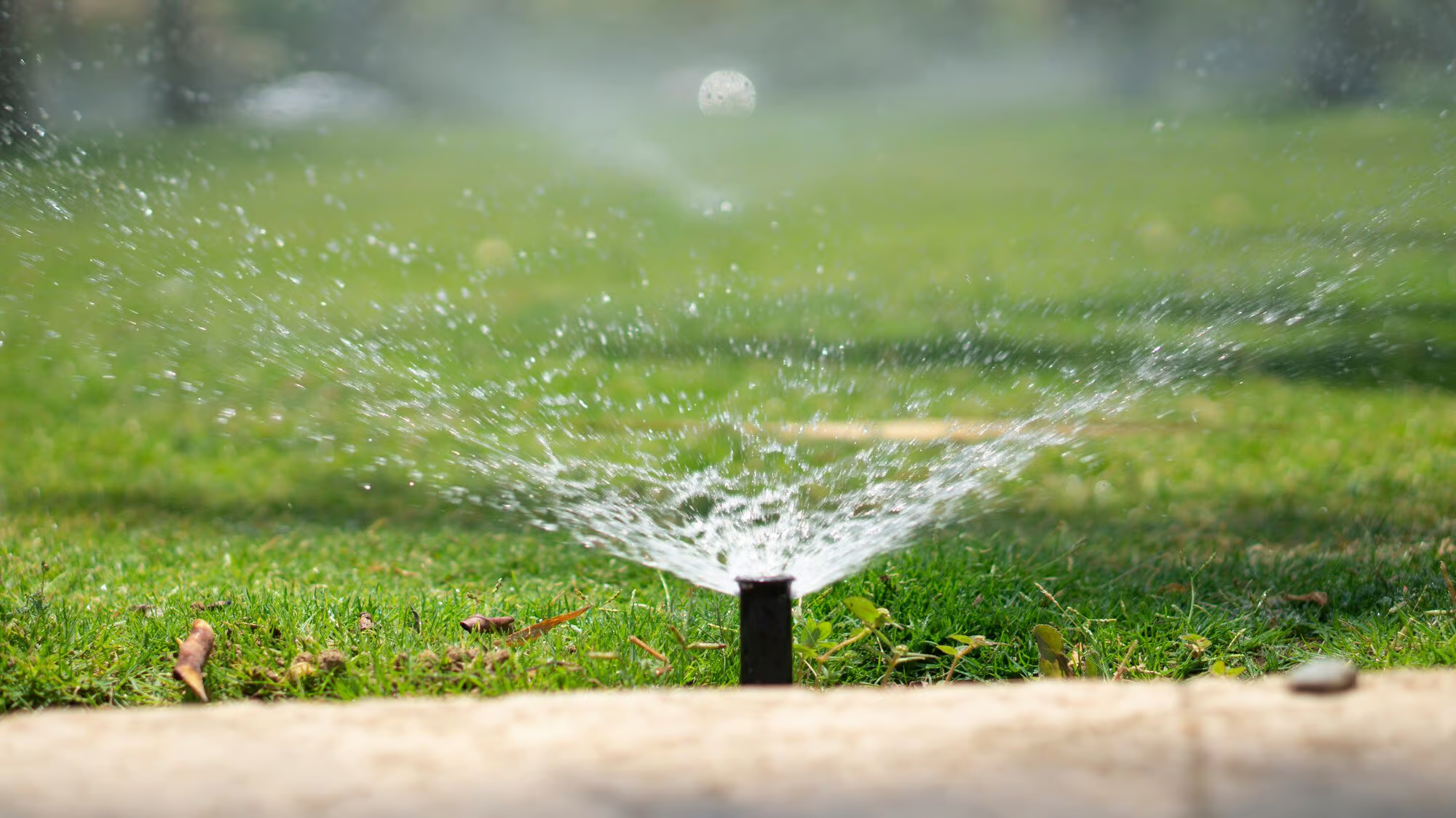
- Sprinkler heads and coverage: Do heads rise, spray, and retract as expected? Are any visibly damaged, tilted, blocked, or spraying a sidewalk instead of the area they serve? Watching the spray gives you a better picture than counting heads. It won't prove that every part of the lawn gets the right amount of water over a full watering cycle.
- Visible leaks and drainage: Is water escaping around a head or another visible part while a zone runs? Does it collect or run off where you wouldn't expect it? Those observations matter even when the cause isn't clear. The inspection can identify what you can see without treating a surface symptom as proof of a particular underground problem.
- Valves and other accessible components: Ask which visible valves and connections are included in the check. If there's a backflow device, ask whether the scope covers a visual look or a separate test. Those aren't the same thing. Knowing that difference keeps you from assuming that seeing a device in place means its function has been verified.
The most useful result isn't a single yes or no for the whole system. It's a clearer account of what ran, what didn't, and which concerns deserve a closer look. That lets you ask the seller a specific question, such as which zone serves a certain part of the yard, instead of trying to judge the entire system by how the grass looks.
This inspection fits into a larger property inspection
If you're buying a home, it makes sense to think about the sprinkler system while you're planning the rest of your inspections. But don't assume a pre-purchase home inspection will answer your questions about it. Ask what sprinkler checks, if any, are included and whether you need to request a separate sprinkler system inspection. That way, you can make the decision while there's still time to learn something useful.
The distinction is simple: a home inspection helps you understand the property as a whole. A sprinkler inspection focuses on the watering system. You might care about both, but one doesn't stand in for the other. If the seller mentions a sprinkler system, or you see a controller in the garage, ask about it before you treat it as a working feature of the home. Its presence tells you the system exists, not what happens when it's turned on.
It's also worth asking whether the system can be operated during the inspection period. If it can't, that doesn't automatically mean something is wrong. It does mean you'll have less information to work with. You can ask the seller what they know about its use and condition, but a seller's answer isn't the same as seeing the system run. Keep those two kinds of information separate when you're deciding what to do next.
Suppose a home inspection raises a concern about water near the house, and you also know the property has sprinklers. Don't assume the sprinklers caused it. The observation may give you a good reason to ask whether a sprinkler check would help, but it won't identify the source by itself. The same goes for a sprinkler concern: it shouldn't become a conclusion about the house without more information. A larger property decision gets easier when each finding stays tied to what was checked.
When you arrange inspections, tell us you're buying the property and ask what the sprinkler inspection covers, whether it needs to be requested separately, and what access will be needed. Mike Morgan has been a licensed home inspector since 2002 and holds TREC license #6231. The useful question isn't whether an inspector can give the whole property one quick thumbs-up. It's whether you've asked for the checks that answer your particular concerns before you make your decision.
Thinking about a sprinkler system inspection in Abilene? Let's talk.
Call (325) 998-4663 · report within 24 hours
When you can skip a dedicated sprinkler check
You can skip a dedicated sprinkler check if the property doesn't have a sprinkler system. That sounds obvious, but a hose timer or a few movable sprinklers in the yard aren't the same as an installed system. If you aren't sure what's there, ask about the equipment before arranging an inspection.
You may also have enough information already. For example, if another inspection you arranged included the sprinkler checks you wanted, and its findings answer your questions, a second check may not help. Look at what was covered rather than the name of the inspection. If the answer you need is already there, you don't need to pay for the same question twice.
Think about whether the result would change anything for you. Suppose you're buying a house and plan to remove the installed system as part of a yard project. If you aren't counting on it to water the yard, its working condition may have little bearing on your decision. The same may be true if you've already decided to replace it and have allowed for that work in your plans. You don't need an inspection just to confirm a condition you've chosen not to rely on.
For a homeowner, a dedicated inspection may be more than you need if you have a simple question you can already answer from information you have, such as which area a known zone waters. A note from the previous owner or a labeled controller may settle that question. If you've already identified a specific part that needs fixing, you're looking for a repair decision rather than a broad check of the system.
There are cases where you can't get a useful check right now because the system isn't available to operate. That doesn't mean the system is sound, and it doesn't mean you must arrange an inspection that can't answer your question. If your property decision can move forward with that uncertainty, skipping the check may be reasonable. If knowing whether the system works matters to you, keep the unanswered question in view rather than treating no inspection as a passing result.
The choice comes down to the information you still need. If you know what equipment is present, have a clear account of its condition, and wouldn't make a different decision based on another check, a dedicated sprinkler inspection may add little. It's fine to leave it off your list.
Spotting urgent irrigation problems before closing
A sprinkler concern becomes urgent before closing when you're counting on the system, but you still don't know whether it works or what a visible problem means. You don't need to solve every yard question before you buy. You do need to know which questions could change your decision.
Say you notice a wet area near the house while the rest of the yard looks dry. That's worth taking seriously, but the wet ground doesn't tell you where the water came from. Likewise, a controller that lights up doesn't tell you whether the system waters the yard. The useful next step is to separate what you saw from what anyone thinks caused it.
As you weigh the property, focus on three things:
- What's been observed? Note the location of standing water, unusually dry areas, or damage you can see. A photo can help you ask about the same spot later without relying on memory.
- What's still unknown? Find out whether the system was operated during your inspection period and which areas, if any, couldn't be checked. "It worked last year" tells you something about its history, not its condition today.
- Would the answer affect your plans? A buyer expecting to use the sprinklers right away may need more information than someone planning to redo the yard. That difference helps you decide how much uncertainty you're willing to take on.
If a concern turns up, keep the finding specific when you discuss it with the seller. "Water collected beside the patio while the sprinklers ran" is clearer than "the pipes are leaking." It leaves room for a proper diagnosis without losing sight of the problem you saw. If someone suggests a repair cost, ask what work that figure covers and whether anyone has confirmed the cause. A guess about the fix isn't the same as knowing what needs fixing.
Sometimes the biggest finding is that the system couldn't be run. In that case, you haven't learned that it failed or passed. You've learned that its working condition is still unknown. Decide whether you're comfortable making the purchase with that question open, rather than letting a quiet yard answer it for you.