
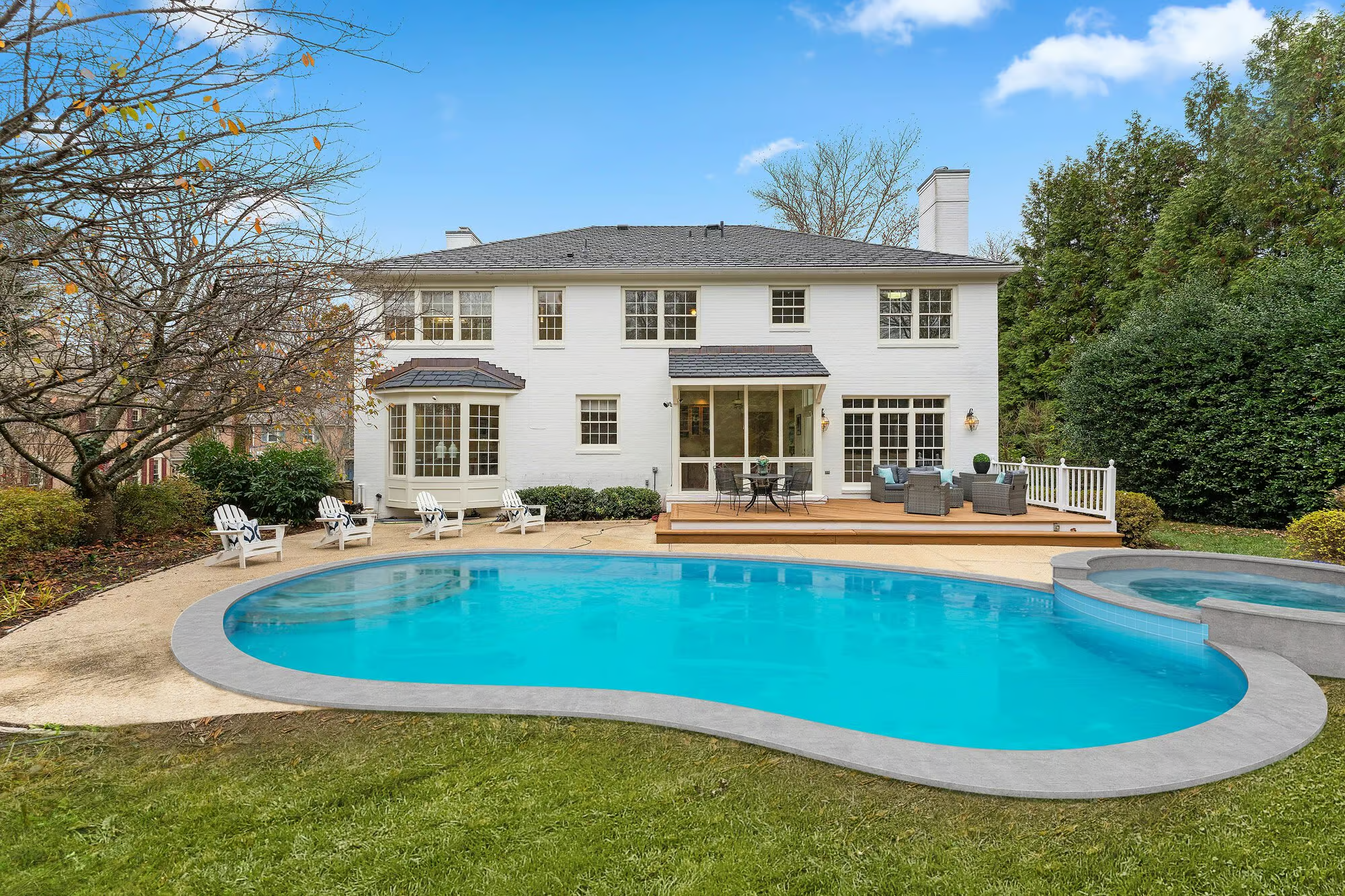
A pool and spa inspection is separate from your home inspection
It's an easy assumption to make. You're having the house inspected, and the pool is right there in the backyard. But a pool has its own equipment and parts that may need attention, from the pump and filter to the surfaces, deck, and barrier around it. A spa adds its own controls and equipment. You want to know whether those areas are part of the inspection you requested, not find out later that they weren't.
Think about a house that looks well cared for. The pool water is clear, the deck looks clean, and nothing catches your eye during a walk-through. That still doesn't tell you whether the pump runs as it should or whether there are visible signs of trouble around the equipment. The point of asking for a separate inspection is to look past how inviting the water looks and get more information before you decide what you're buying.
The same goes for a spa, whether it stands alone or sits beside the pool. Seeing water in it isn't the same as knowing what condition its accessible parts are in. If a seller says the pool or spa works, that's useful to hear, but it isn't a substitute for making your own decision about inspection. You can ask when it was last used and what equipment comes with the property, then make sure the inspection request reflects what you want examined.
When you book, tell us if there's a pool, a spa, or both, and we'll add the pool and spa inspection. If you have a concern, such as a stain near the pool, a noisy pump, or a spa you haven't seen running, mention it when you call. That gives you a clearer conversation about scope without assuming that every visible concern can be diagnosed during an inspection.
Morgan Inspection Services offers pool and spa inspections as a separate service from the pre-purchase home inspection. A standard home inspection doesn't include the pool or spa, so add it when you book; both can be done on the same visit.
What gets checked during a pool or spa inspection
The useful question isn't just whether the pool holds water. It's what you can learn about its visible parts and accessible equipment before you take responsibility for them. The inspection generally looks at what's there, what condition it's in, and what can be observed while the equipment is running. The exact checks depend on access, the equipment installed, and whether it's ready to operate.
- Pool shell and surrounding area: An inspector can look for visible cracks, loose or missing finish, worn coping, and changes in the deck near the pool. A stain or crack is worth noting, but its appearance alone won't tell you whether water is leaking or why the material moved.
- Accessible equipment: Pumps, filters, heaters, and exposed pipes may show drips, corrosion, damaged parts, or signs of past repairs. If equipment can be operated, an inspector may also be able to observe unusual noise, vibration, or water flow. A machine that turns on during an inspection still may have problems that don't show up in that short window.
- Spa features: A spa has more than a tub of water. Its accessible controls, jets, heater, and exposed connections can offer clues about how it operates. If it's empty, shut off, or missing a needed control, there's less that can be learned about its operation.
- Barrier and access points: Fences, gates, latches, and covers can be checked for visible condition and function where accessible. An inspection can point out an observed concern without settling every question about whether an existing setup meets current requirements.
Some of the most important limits are out of sight. The inspection generally can't show the condition of pipes buried beneath the deck or ground, or tell you exactly where water is escaping if you suspect a leak. Finding that answer may take separate testing. The same goes for a heater or other component that can't be operated during the visit: you can learn about its visible condition, but not how well it performs.
For a purchase, the distinction matters. A visible drip at an exposed pipe is a specific concern you can ask about. A wet spot nearby may have several possible causes and needs more investigation before anyone can name one. Clear observations help you decide what to ask the seller, what might need a closer look, and what remains unknown.
Thinking about a pool & spa inspection in Abilene? Let's talk.
Call (325) 998-4663 · report within 24 hours
Signs a pool or spa needs a closer look before closing
The sign that matters most isn't always a dramatic crack or a pump that won't start. Sometimes it's a question nobody can answer. If the pool or spa is part of the reason you want the house, you need to know what condition you can confirm and what you're being asked to take on without knowing.
Start with whether the setup shown with the home is the setup you'll receive. If the seller points out a heater, cleaner, cover, or control, ask whether it stays and whether it can be shown working. A control that isn't available, equipment that's disconnected, or a spa that's been drained leaves a gap in what you can learn. It doesn't prove the equipment is broken. It does mean a claim that it "works fine" hasn't answered how it works now.
Changes over time can tell you more than a single look. Maybe you noticed the water level was lower on a second visit, or the seller says the pool needs frequent refilling. Water can be lost for more than one reason, so neither observation identifies a leak. Ask what the seller knows about water use, past repairs, and whether the level has been steady. If the answers don't line up, that's a clearer reason to ask for further evaluation than the water level alone.
Pay attention to explanations that stop short of answering the concern. "It's always made that noise" doesn't tell you why. A patch beside the pool might be an ordinary repair, but its age and purpose matter if you're trying to judge what remains to be done. You don't have to diagnose either one yourself. Write down what you noticed and ask a narrow question: What was repaired? When? Has the same issue returned?
Timing matters, too. If you won't see the pool operating until after closing, you'll be making the decision without that information. The same is true if the spa can't be turned on while you still have a chance to ask questions about the property. That may be a choice you're comfortable making, but it should be a choice, not an assumption that someone checked it.
A useful next step is to separate what you've seen from what you've been told. A photo of an observed condition, a repair record, and a seller's explanation each answer different questions. If a concern remains unexplained, ask what kind of closer evaluation could answer it while you can still use that answer in your purchase decision. That gives you something more solid to work with than either a clean-looking pool or a vague worry.
When you don't need a pool or spa inspection
You don't need this inspection just because a listing mentions one. What matters is whether the pool or spa will be yours, what you already know about it, and what question you're trying to answer. If the property has neither, there's nothing to inspect. If a portable spa belongs to the seller and won't stay with the home, confirm that in your purchase paperwork before paying to inspect it.
You may also be able to skip another visit if you've already hired someone to examine the pool or spa recently and you have their findings. Read what they covered. Were the pool and spa both included, if the property has both? Were the parts you care about accessible? Have there been any changes since that visit? If the findings answer your questions and nothing has changed, repeating the inspection may not help you decide.
An inspection may be the wrong tool when you already have a narrow problem that needs a specific answer. Say you know water is escaping and need to find where. A general inspection may note visible clues, but it isn't the same as leak-location testing. If you need a repair plan or an estimate for a known fault, ask a qualified pool repair professional for that work. You'll get an answer aimed at the decision in front of you instead of paying for a broader look you no longer need.
The same goes for routine care of a pool you already own. If your question is how to keep the water balanced this week or whether it's time to clean a filter, a pool maintenance professional is a better fit. An inspection isn't a substitute for ongoing care. And if a pool hasn't been built yet, there's no existing pool or spa to examine. Keep your questions for the builder or installer until there's something in place to assess.
Sometimes the sensible choice is to wait rather than book now. If a spa is being moved out before the sale, find out whether it will remain before arranging an inspection. If the pool is being filled or equipment is being put back into service, ask when it will be ready for a visit that can answer your question. Waiting doesn't mean ignoring the pool. It means choosing a time when the visit can give you useful information.
If you can already make your decision with what you've confirmed, you don't need an extra inspection for reassurance alone. Spend your time on the question that's still open, if there is one. That's a better use of your money than ordering a service without knowing what you need it to tell you.