
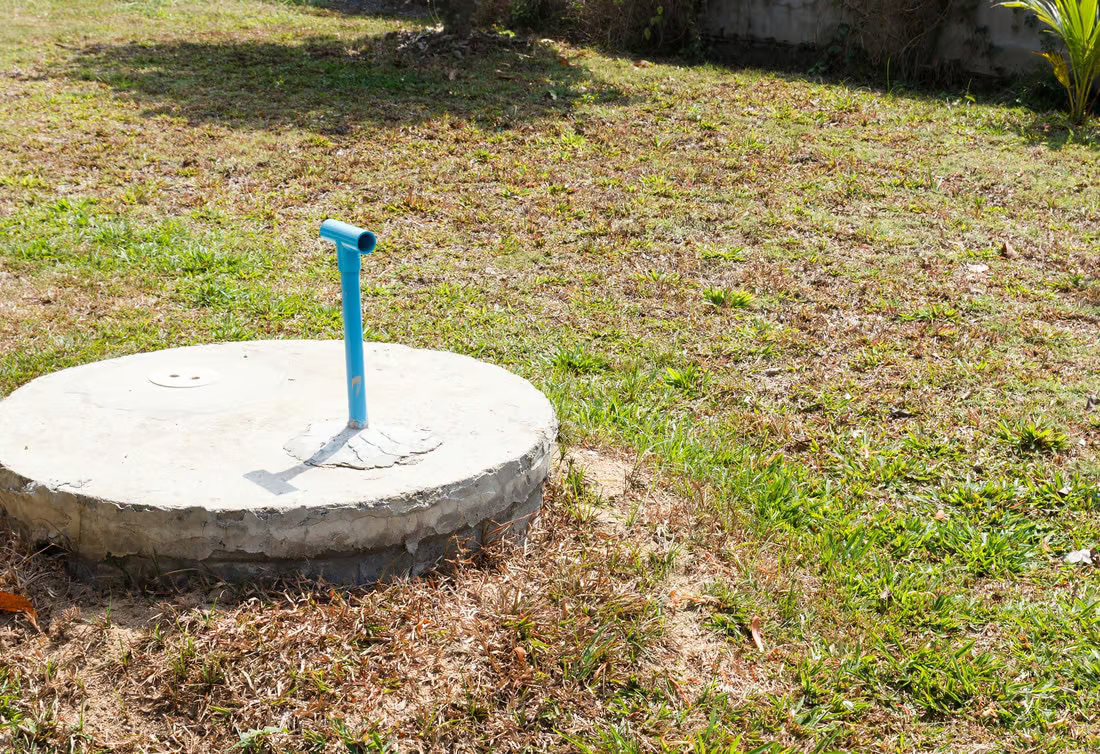
A septic inspection helps you decide who to call
The useful first question isn't simply, "Is something wrong?" It's, "What do I need to know before I make a decision?" If you're buying a home with a septic system, an inspection gives you a way to ask about that system before you take ownership. If you already know it needs to be pumped or repaired, you're looking for a septic service provider instead. Those are different jobs, even though they involve the same tank and drain field.
- Buying a home? Ask for a septic system inspection so you can weigh what's observed alongside the seller's records. A quiet drain on the day you visit doesn't tell you everything about a system underground.
- Need routine pumping? Call a provider that pumps septic tanks. An inspection doesn't empty the tank, and a pumping receipt doesn't, by itself, answer every condition question.
- Dealing with a known failure or planning a fix? Speak with a qualified septic professional about diagnosing the cause and the work involved. An inspector's findings can help you describe the concern, but they aren't a repair plan.
- Not sure whether the trouble starts in the house or at the septic system? Describe what you've noticed when you call. A slow sink alone doesn't prove the drain field has failed.
It also helps to ask what the inspection will cover before you book. The tank, its access points, and the drain field aren't always equally easy to assess. Records, access, and what can be observed at the property affect how much an inspector can tell you. If someone says a system has "passed," ask what they checked and what they couldn't see. That answer is more useful than a simple yes or no.
Mike Morgan has worked as a home inspector since 2002 and holds TREC license #6231. That tells you his home inspection background; it isn't a claim that he pumps tanks or performs septic repairs. If you're deciding whether to buy a property with a septic system in Abilene, start by getting clear on what an inspection can answer. You'll be in a better position to decide whether you also need records from the seller or a separate septic specialist.
How a septic inspection fits your closing timeline
If you're under contract on a home with a septic system, put the inspection on your calendar right away. Don't work backward from the closing date alone. Find the deadline in your contract for inspections and requests, then ask your real estate agent how much time you have to review the findings and raise a concern. An inspection scheduled on the last available day may leave you with information but little room to use it.
Before you schedule, ask the seller or agent for any septic records they have, including the system layout, permits, past inspection reports, and pumping or repair records. They may not have all of them. Send along what's available and say clearly what you don't know. A sketch showing where the tank is buried can save time when you're trying to understand what's on the property. A pumping receipt is useful history, but as noted above, it doesn't settle every condition question.
Ask about access at the same time. Is someone living in the home? Are the yard gates unlocked, and does anyone know where the septic components are? If access points are covered or their locations are unknown, ask what can reasonably be assessed before you set the appointment. You don't want to assume that booking an inspection means every buried part will be visible. If the seller needs to arrange access, it's better to learn that while there's still time on your calendar.
Leave room after the inspection, too. You may want to ask what a finding means, request a missing record, or arrange a separate opinion from a septic professional. You might also learn that an area couldn't be assessed. None of that automatically tells you whether to buy the home. It tells you what you still need to resolve before your contract deadline. Talk with your agent about any request you want to make to the seller; don't assume an inspection changes your deadline.
If the seller says the system was inspected recently, ask for the report, not just the date. Check which property it covers, what was examined, and whether it names any limits or recommended follow-up. That can help you decide what information you still need before closing. If you're already close to a deadline, tell the inspector your date when you inquire, and confirm availability rather than assuming there's time to fit it in.
What a visual inspection covers vs. a camera scope
A visual septic inspection and a camera scope look at different parts of the problem. A visual inspection focuses on what can be seen or reached at the property. A camera scope looks inside a pipe. Neither one, by itself, can show you the condition of an entire system buried underground. That distinction matters when you're trying to decide whether you have enough information to move forward on a home purchase.
With a visual inspection, the useful clues may be at the tank's accessible openings or on the ground above the drain field. The inspector may be able to observe visible components and signs of trouble, but what can be checked depends on the property and the agreed scope of the inspection. If a tank lid is buried or a component can't be reached, it shouldn't be treated as though it was examined. And a yard that looks dry doesn't prove the drain field is working well below the surface.
A camera can answer a narrower question: what's visible inside the section of pipe it can enter? It may show a blockage, roots, a damaged section, or water sitting in a line. The starting point matters. A camera sent through a house drain may not reach the pipe leading to the septic tank. A view of that pipe still won't show the whole tank or tell you how well the drain field absorbs wastewater. Ask which line is being scoped and how far the camera can reasonably go.
Say a home has a slow drain, but the yard looks normal. Camera footage could help narrow down whether there's an issue in a reachable pipe. It couldn't rule out a separate problem at the tank or drain field. Turn the example around: if you notice a wet patch over the drain field, clear footage inside a pipe wouldn't explain that patch. Each finding has to be read for what it shows.
Before you agree to either service, ask what parts of the system are included, whether tank access is needed, and what the report will say about anything that couldn't be examined. If a camera scope is suggested, ask what question it's meant to answer. You may need a closer look at a pipe, or you may need a septic professional to investigate a concern beyond the reach of either inspection. The goal isn't to collect the most footage. It's to know which parts of the system have been checked and which questions are still open.
Thinking about a septic inspection in Abilene? Let's talk.
Call (325) 998-4663 · report within 24 hours
Signs your septic system needs attention now
The clearest signs are wastewater backing up, trouble at several drains, or a wet area near the septic system that you can't explain. Those clues deserve attention, but they don't tell you which part has a problem. A blocked pipe, a full tank, and trouble beyond the tank can look much the same from inside the house.
- Water backs up into a tub or shower when you use another fixture. Note which fixtures were running and where the water appeared.
- More than one drain is slow or gurgles. That's more useful to report than a single slow sink, which may have a problem close to that fixture.
- You notice a sewage smell indoors or outside near the tank or drain field. Where you smell it matters; the smell alone doesn't identify the cause.
- A patch of ground stays wet, looks unusually green, or has water on the surface near the system. Rain, drainage, and yard watering can also change how that spot looks.
Try to separate what you've seen from what you think it means. "The tub backed up when the washer drained" gives a professional more to work with than "the septic tank is bad." If the yard is wet, note whether the rest of it is wet too. If there's an odor, note whether it's steady or comes and goes. You don't need to solve the problem yourself to give a clear account of it.
For a home you're buying in Abilene, those details also help you ask a better question before you make a decision. Is the concern something an inspection can help assess, or does it need a septic professional to diagnose a known problem? A seller's account of when a symptom started may be helpful, but it isn't the same as finding its cause. If nothing seems wrong on the day you visit, that doesn't erase a reported history of backups or wet ground.
Pay attention to patterns rather than one isolated clue. A slow kitchen sink tells a different story from several fixtures having trouble at once. A damp patch after rain tells you less than a spot that stays wet while the surrounding ground dries. Even then, the pattern narrows the question; it doesn't prove that the drain field has failed.
An inspection is useful when you need a clearer picture of the system's observable condition. If wastewater is already backing up or you know the system needs work, an inspection won't clear a blockage or fix the cause. Tell the provider exactly what you've noticed so you can discuss the right next step.
When you don't need a septic inspection
You don't need a septic inspection just because a property has a yard or sits outside a busy part of town. First, find out how the house handles wastewater. If it's connected to a public sewer and has no septic system in use, there's no working septic system to inspect. Ask for records that confirm the connection rather than guessing from the home's location or a pipe you can see in the yard.
You may also be able to skip a new inspection if you already have a report that answers your question. Read it before you book another one. Does it identify this property and the system examined? Does it say what was accessible, what wasn't checked, and whether further evaluation was recommended? An older report may still be useful history, but it can't tell you what changed afterward. If your contract or another party requires a new report, check that requirement before relying on the one you have.
If you own the home and simply need routine tank pumping, an inspection isn't a substitute for that work. The same goes for a problem that has already been diagnosed and needs a repair. In either case, be clear about the job you're arranging. Paying someone to describe a known issue again won't get the tank emptied or the repair done.
A single slow sink doesn't automatically call for a septic inspection, either. If the trouble is limited to that fixture, the first question is whether there's a blockage nearby, not whether the whole system has failed. If you already have a professional investigating that drain, you don't need to book a separate septic inspection on the strength of that one symptom alone.
Sometimes the answer is to wait until the right information is available. If the seller can't identify the system, provide access to the property, or say whether a buried tank is still in use, settle those questions before assuming an inspection can cover what you need. You might still choose to inspect what can be reached, especially with a contract deadline approaching. Just make that choice knowing which questions will remain open.
And if you're looking at bare land with no installed septic system, there's no existing system to inspect. Your question is about whether and how one could be installed, which is different work. The point is to match the service to the decision in front of you. If the answer you need is already in reliable records, or the work you need is pumping, repair, or planning a new system, a septic inspection isn't the next step.