
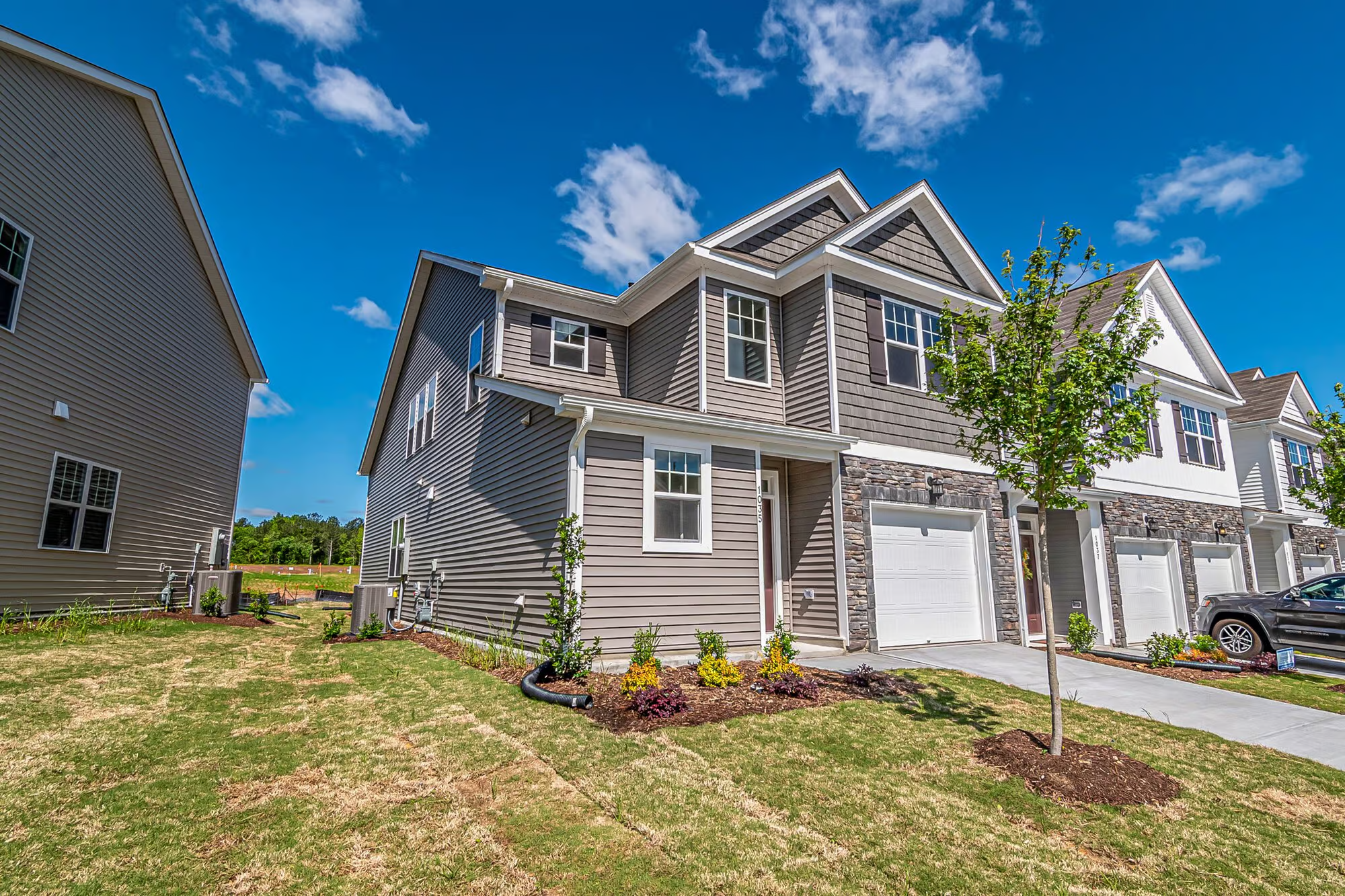
A multi-unit inspection covers the units plus the shared systems
If you're buying a duplex or a larger property in Abilene, it's easy to focus on the units you can walk through. You want to know whether the sinks work, whether there's visible damage, and how the rooms have been kept up. That's useful, but it isn't the whole picture. A problem at the roof, exterior wall, or shared entry can affect more than one unit, even when those rooms look fine on their own.
Think of the inspection as two connected questions. What's going on inside the units, and what's going on in the parts that serve the building as a whole? The answer depends on the property. A duplex with separate entrances isn't laid out like a building with an interior hall, shared stairs, and equipment in a common area. The scope needs to fit what's there, rather than treating every multi-unit building as though it's the same.
- Units: Ask which individual units can be accessed and included. If a tenant occupies a unit, confirm access before assuming its interior will be part of the inspection.
- Building exterior: Clarify whether the scope includes the roof, siding or other wall surfaces, visible foundation areas, and drainage around the building.
- Shared areas and equipment: Identify any halls, stairs, laundry areas, electrical equipment, or heating and cooling equipment that serve more than one unit. Ask which of those areas are accessible and included.
Access makes a real difference. An inspector can't give you the same view of a locked unit as an open one, and a finished wall doesn't reveal everything behind it. If a seller says, "They're all laid out the same," that may help you understand the floor plan, but it doesn't tell you the condition of the unit you couldn't enter. Keep track of what was available to inspect and what wasn't, so you don't mistake a gap in access for a clean bill of health.
When you describe the property, give the number of units and mention any shared spaces or equipment you know about. Then ask what the proposed inspection includes. That's the practical way to make sure you're weighing both the individual units and the building they depend on.
Small multi-unit buildings and larger apartment complexes call for different inspections
The number of units changes the kind of inspection you need to discuss. A duplex may be a fairly straightforward residential-scale property. A larger apartment complex may need an inspection planned around its buildings, shared equipment, and site. Don't assume the words "multi-unit inspection" settle that choice. Ask which inspection standard will be used and what the report will cover before you book.
For a smaller property, your decision may turn on the condition of each living space and the building they share. Picture a duplex you're buying to live in on one side and rent out on the other. You need information about both sides because a working kitchen in your unit tells you nothing about the one next door. The inspection still has limits, but the building is usually easier to describe and scope than a complex with several buildings.
A larger apartment property raises different questions. You may be buying more than the buildings themselves: parking areas, walkways, drainage, and equipment that serves many tenants can all affect what you're taking on. The first step is to describe the whole property, not just give the unit count. That lets you ask whether the proposed inspection covers one building, every building, and the site, or only selected parts. A report on a sample of units isn't the same thing as a report on every unit, even if the units have matching floor plans. For larger properties, see our apartment complex inspection.
The inspection standard matters because it helps define what the inspector is expected to examine and report. The purchase contract or a lender may also call for information beyond a general property inspection. Don't count on one inspection to answer every question about rental income, leases, permits, or compliance. Those are separate parts of deciding whether the purchase works for you.
Before agreeing to a scope, put the property description and your needs in plain terms: how many buildings there are, how many units are in each, and what decisions you need the findings to support. Then ask what standard applies, what you'll receive in writing, and which questions will remain outside the inspection. You don't need to know the right industry label before you call. You do need to know whether the inspection being proposed matches the property you're buying.
A tenant's pest or repair complaint isn't a multi-unit inspection
A tenant complaint usually calls for attention to that complaint, not a multi-unit inspection. If a sink is leaking in one apartment, you need to know what's wrong with that sink and what it takes to fix it. If a tenant reports insects, you need someone who can identify the pest and assess that problem. A property inspection answers a different question. What can you learn about the condition of the property before making a broader decision about it?
That distinction matters because an inspection isn't a repair visit or a pest evaluation. An inspector may note a visible stain, damaged material, or other condition worth looking into. That finding doesn't, by itself, establish where a hidden leak starts, identify an insect, or tell you what treatment will work. You'd still need the right person to investigate and address the specific complaint.
Say you own a four-unit building and one tenant says the bathroom faucet won't stop dripping. You don't need a property-wide inspection just to decide whether that faucet needs work. The same goes for a single loose cabinet door or a window that won't latch. Those are concrete repair questions. Handle them as such rather than paying for a broader look that won't do the repair.
The decision changes if you're considering buying the building and that complaint is one piece of a larger concern. Perhaps the seller mentions a past leak, and you notice staining in more than one place. You may want a clearer picture of the property's visible condition before you commit. The inspection can help with that decision, while a suspected leak or pest problem may still need its own evaluation. One doesn't replace the other.
If you're a tenant, a multi-unit inspection also isn't a substitute for telling the owner or property manager about a problem in your home. You don't have to frame a dripping pipe or a pest sighting as a question about the whole building to have a specific concern taken seriously. If you're an owner responding to that concern, start with the problem that's been reported. A building-wide inspection makes more sense when you need to assess the property, not when you already know which repair question you're trying to answer.
Thinking about a multi-unit inspection in Abilene? Let's talk.
Call (325) 998-4663 · report within 24 hours
How pricing scales across multiple units
The price of a multi-unit inspection depends on more than the number of front doors. A duplex with two open units and one shared roof is a different job from a property with several buildings, locked units, and shared equipment. Before you compare quotes, make sure each one describes the same work. A lower price doesn't help if it leaves out a building or the units you most need to understand.
Inspectors may price this work as a base charge plus an amount for each unit, by building, or as one quote for the agreed scope. Those models can all make sense. What matters to you is what the price covers and what would change it. Ask whether the quote includes the exterior, common areas, and every unit you expect to be inspected, or whether some units will be sampled. If the property has more than one building, check that the quote names each building included.
Access can change the job after you've requested a quote. Suppose you're buying a four-unit building, but one tenant can't let an inspector in on the planned day. Ask ahead of time what happens if a unit isn't available. Will the original inspection go ahead with that unit excluded? If you later get access, would a separate visit need a separate charge? Don't assume the quote includes a return trip. Getting that answer before you book helps you plan with the seller and the tenants.
The property itself can also affect the amount of work involved. Separate roofs, long shared halls, multiple sets of stairs, or equipment serving several units all take time to account for. A quote for six units in one building may not match a quote for six units spread across three buildings. Give the inspector an accurate description instead of asking for a price based on unit count alone. That makes the estimate more useful and reduces the chance that you and the inspector are picturing different properties.
When you request a quote, ask for the scope in writing alongside the price. Check the unit and building count, which areas are included, how inaccessible spaces will be handled, and whether the written report is included. If you're comparing two estimates, compare those answers first, then the total. You'll know what you're paying to learn before you make a decision about the property.
What happens during a multi-unit visit
During a multi-unit visit, the inspector examines visible conditions in the areas included in the agreed scope. The useful part isn't just a list of defects. It's seeing how a concern in one place may relate to another part of the building. A stain on a downstairs ceiling, for example, may sit below an upstairs bathroom. That's worth noting, but it doesn't prove where water came from or whether a leak is still active.
Expect the visit to cover both the living spaces and the building features included in your scope. Inside a unit, visible signs of moisture, damaged finishes, and the condition of accessible fixtures and systems can help you understand that space. Outside, the inspector may observe conditions at the walls, roof, and ground around the building from available vantage points. In a building with shared halls or stairs, those spaces deserve attention too. What gets examined, and how, depends on the property, the agreed scope, and the inspection standard.
It helps to think in terms of patterns without jumping to conclusions. Say two units have staining near the same exterior wall. That may point to a building-level concern worth investigating. It may also have more than one cause. An inspection can document what was visible and help you ask a better follow-up question. It can't see through a finished wall or tell you the full history of a repair just by looking at its surface.
Occupied units add a practical limit during the visit. Furniture, stored items, and personal belongings can block the view of floors, walls, or equipment. A room may be open to the inspector without every surface being visible. If a particular area matters to your purchase decision, ask whether it was seen, rather than assuming that access to the unit meant access to everything inside it.
When you review the findings, look for a clear distinction between what the inspector observed and what remains unknown. If a note says there was moisture damage, ask where it was found and whether the cause was visible. If several units have similar findings, ask whether they were documented separately. Those details help you decide what needs a closer look before you commit, without treating a visual inspection as a diagnosis of a hidden problem.