
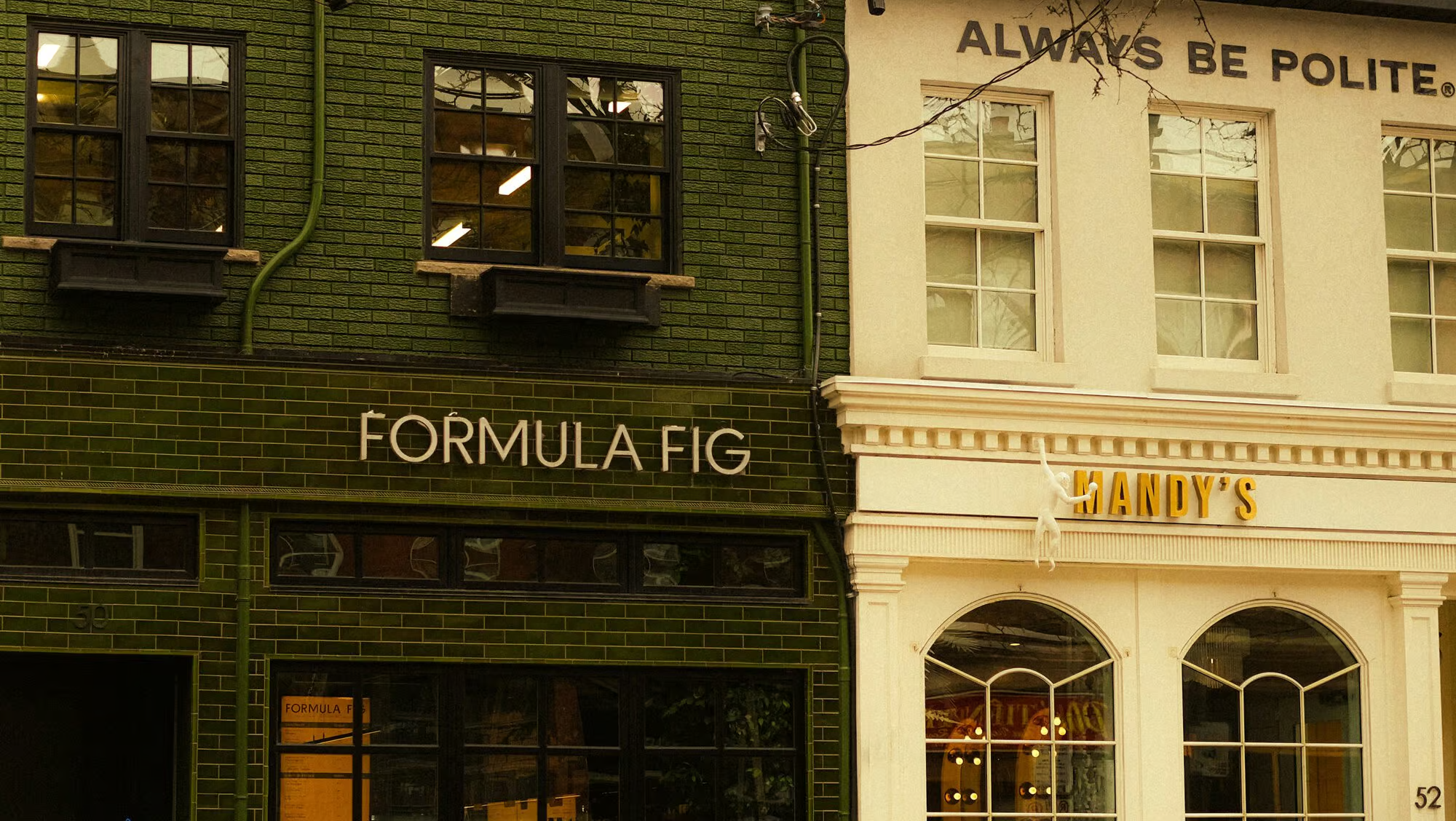
Retail buildings need a different inspection than houses
Start with how you'll use the space. A clothing shop, a salon, and a store that keeps large coolers running all day put different demands on a building. You don't need to know every technical term. You do need to tell the inspector what you plan to install, where customers will enter, and whether you'll be taking over the whole building or one unit. That context helps you ask the right questions rather than treating every storefront alike.
The roof is a good example. A stain above the sales floor may point to a problem that reaches past that one spot. In a multi-unit building, the roof may also serve neighboring spaces. The practical questions are where water could be getting in, what can be seen without opening the building up, and who has information about past repairs. An inspection can help identify visible concerns. It can't tell you what's behind every finished wall or ceiling.
Heating, cooling, and power deserve the same kind of thought. If the space has been vacant, ask whether the systems can be operated during the inspection. If you're bringing in display lighting, equipment, or coolers, bring those plans up before you commit. A general inspection can flag visible conditions and questions worth taking to a qualified trade professional, but it isn't a design review for your future setup.
Then look beyond the sales floor. Customer restrooms, storage rooms, service areas, and the path people use to get in and out all affect whether the space works for you. A walk-through that concentrates only on the attractive front room can miss concerns in the parts of the property you'll depend on every day. If you're inspecting one unit, find out which shared areas you can access and which are outside the inspection's scope.
If you're leasing, read the lease alongside the inspection findings. The inspector can help you understand a building concern, but the lease determines whether a repair falls to you or the owner. Ask about access to the roof, equipment, and any locked rooms before the visit. That way, you can judge the condition of the space with its limits clearly in view, instead of finding out after signing that an important area wasn't available to inspect.
Retail property inspection is a named service, not an add-on
Retail property inspection is a named service at Morgan Inspection Services, not something you have to tack onto a home inspection. That matters when you call: say you're looking at a retail space, whether you're buying or leasing it, and what decision you need to make. An inspection should help you understand the property you're considering. It won't, by itself, tell you that every part of your business plan is approved or that the space is ready for any use.
Before you book, pin down the property itself. Is it one storefront in a larger building, or does your deal cover the entire building? Are you taking the space as it stands, or planning substantial changes? Those answers affect what you need to ask about the inspection's scope. A retail unit can look like one simple address on a listing while the parts you'll rely on are divided among your space, shared property, and areas you can't enter.
Ask what the proposed inspection covers and what it leaves out. You don't need a long technical checklist. You do need enough detail to compare the scope with your decision. Clarify whether the work is limited to the unit, whether shared parts of the property are included, and what happens if an area isn't available. Those limits matter just as much as the findings: you can't make a sound decision if you assume an unseen area was checked.
It also helps to ask what you'll receive afterward and when you can expect it. If a concern needs a specialist's opinion or a repair estimate, find out who you'd need to contact for that next step. An inspection can raise a question worth pursuing without settling the cost or design of the fix. Likewise, if your main question is whether a planned use will meet permit or occupancy requirements, ask the appropriate local authority about those requirements. Don't rely on a property inspection as a substitute for that answer.
For a quote, give the inspector the property size, the number of units involved, and the scope you're asking about. Commercial inspection costs can depend on those details and on what's accessible, so ask what's included in the quoted work rather than comparing a price without its scope. You're trying to avoid two surprises: paying for work that doesn't answer your question, or assuming a low quote covers more than it does.
Mike Morgan holds TREC license #6231 and was appointed to the Texas Real Estate Commission's Inspector Advisory Committee in 2019. Those are useful facts when choosing whom to call. The next step is still a practical conversation about this particular storefront: what you need to decide, what can be inspected, and what questions will remain yours to resolve before you sign.
Know your option period timeline before you schedule
A retail property inspection helps you decide whether the building works for your plans, but timing matters. If you're buying a storefront, don't assume your contract gives you the same option period you may know from a home purchase. Find the deadline in your signed agreement, or ask your agent or attorney to point it out. If you're leasing, check the dates and conditions in that agreement instead. The inspection needs to happen while you still have time to make a useful decision.
Start with the actual deadline, including the time of day, not the date you hope it falls on. Ask what action you'd need to take before then if the inspection raises a concern. Scheduling an inspection isn't the same as giving any notice your agreement may require. If the agreement doesn't give you an inspection-related deadline or a way to change course, get clear on your choices before you rely on the inspection to protect them.
Work backward from that deadline. Leave time for the inspection, for you to read the findings, and for any question that can't be settled from what's visible at the property. For example, if a roof concern needs a roofer's opinion, an inspection on the last afternoon may leave you with a concern but no time to understand what it could mean for your deal. You don't have to predict every finding. You just need room to follow up on one.
When you call to schedule, have the property address and your decision deadline in front of you. Say whether that date is firm or whether you're still confirming it. Also tell the seller, landlord, or person arranging entry when you need access; a date on the calendar won't help if the property can't be opened. If key areas won't be available before your deadline, ask what that limit means for your decision rather than assuming you can inspect them later.
If the deadline is close, be direct about it. Ask whether there's enough time for the inspection and for you to consider what it finds. If there isn't, talk with the people handling your agreement about your options. An inspection can give you information about the building. It can't give you more time under a contract.
Thinking about a retail property inspection in Abilene? Let's talk.
Call (325) 998-4663 · report within 24 hours
What happens during a retail building walkthrough
A retail building walkthrough starts with a simple question: what does the property show you today? It's a visual look at the building, not a test of every part hidden behind walls or above ceilings. The useful part is connecting what's visible to the work your store needs the space to do.
Take the entrance. A door that drags may seem minor until you picture customers opening it all day. Damaged glass, uneven flooring, or water marks near the front can also affect a busy sales area. Looking at those details alongside the exterior may help you ask whether a mark is isolated or part of a wider concern. A mark alone won't tell you what caused it.
Inside, the walkthrough can follow the space past the displays. Look at ceilings, floors, walls, restrooms, and back rooms with the same care you give the front. In a stockroom, for example, a stain near shelving matters differently from a scuff on a wall. You'll want to know what can be observed, what's uncertain, and what information the owner has about any past work.
Building systems need that same plain reading. An accessible electrical panel may show visible concerns, but looking at it won't prove the service can support equipment you haven't installed. A heating or cooling unit may be present without answering how it performs under your future store's demands. If you're planning coolers or other equipment, keep the difference between the building's current condition and your planned use in mind.
Outside, conditions at doors, walls, drainage areas, and the roof, where it can be viewed, may help explain what you noticed indoors. One damp ceiling tile doesn't tell the whole story. Neither does a clean sales floor prove there's no trouble overhead. A walkthrough is most helpful when visible clues are considered together, without treating a possible cause as a confirmed one.
You don't have to turn each observation into a repair plan on the spot. Separate what's visible from what still needs an answer. A loose door handle may be straightforward to discuss with the owner. A stain that could involve the roof may call for records or a closer look by the right trade professional. That distinction helps you decide which questions matter before you take on the property.
How commercial inspection pricing works
There isn't one standard price for inspecting a retail property. Commercial inspectors may quote a flat fee for a defined job, use the building's square footage as a starting point, or price the time and work the job is expected to take. The method matters less than knowing what the fee covers. Two quotes for the same address can describe different amounts of work.
For example, a small shop that occupies one part of a larger building may have fewer rooms to inspect than a whole-building purchase. But square footage alone won't tell you how much work is involved. A compact space with several heating and cooling units, a stockroom, and hard-to-reach equipment can take more work than its floor area suggests. Ask what building area was used to prepare the quote, especially if the listing gives a size for the entire property but your deal covers only one unit.
Access can affect the work, too. If equipment is behind a locked door or the roof can't be reached, find out whether the quote assumes those areas will be available. Ask what happens if access changes before the inspection. You'll want to know whether the work will be limited, whether a return visit would be a separate charge, or whether you'd need a new quote. Those are questions to settle beforehand, not terms to assume are included.
It also helps to separate the inspection fee from the other costs of making your decision. A retail property inspection looks at the building's condition within the agreed scope. If a finding calls for a roofer to investigate further, for example, that follow-up work may have its own cost. The same goes for repair estimates or advice on equipment you plan to install. Budgeting room for those answers is different from paying the inspector to inspect the property.
When you compare quotes, ask each provider to put the scope in writing. Check which spaces and building systems are included, whether there's any document review, and what you'll receive at the end. Then ask whether the fee is fixed for that scope or could change if the property details turn out to be different. You don't need the cheapest number on paper. You need to know what question that number will help you answer before you buy or lease the space.