
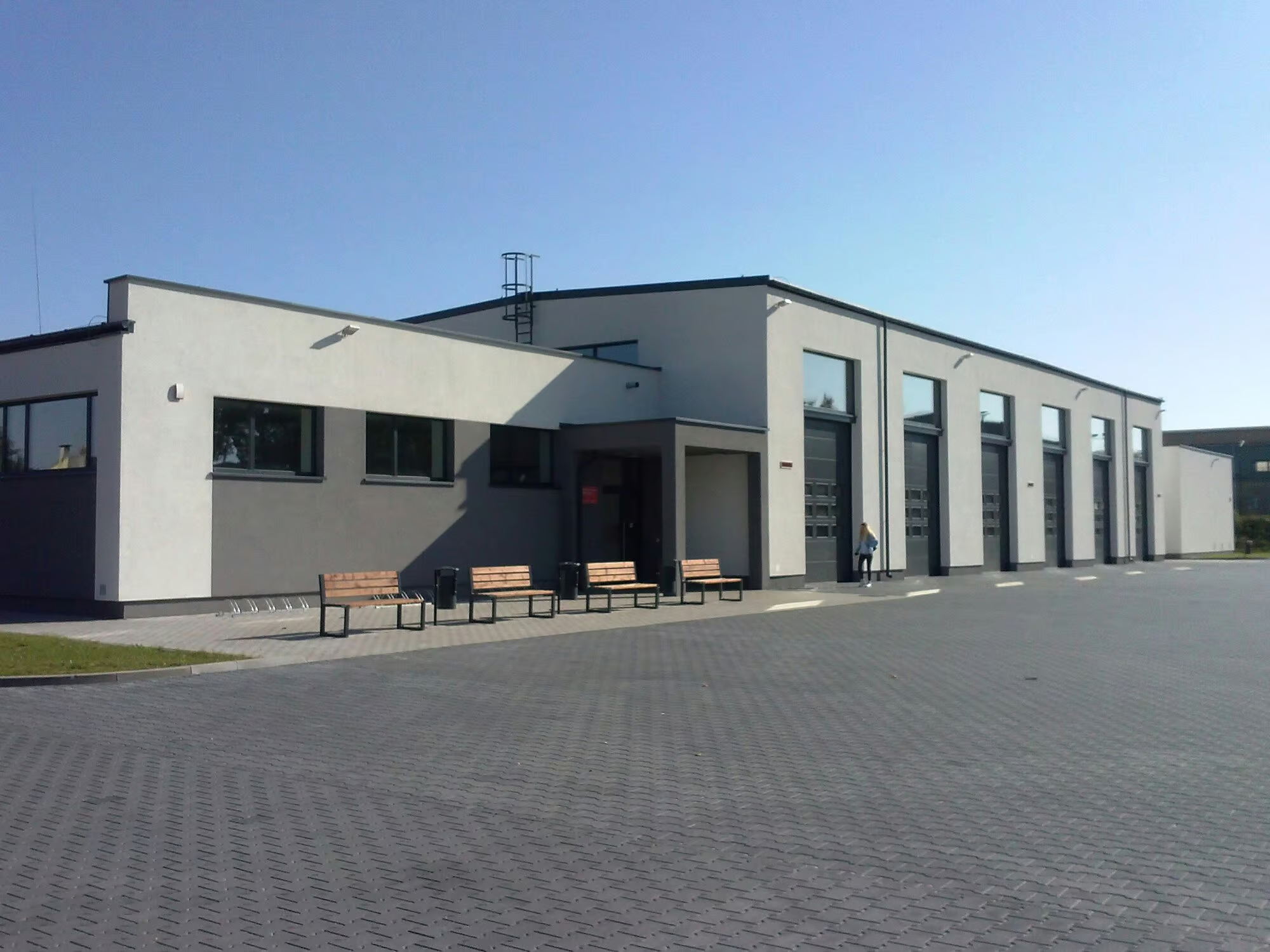
Choosing who inspects a factory or warehouse-scale building
Start with the decision in front of you. If you're buying a factory building in Abilene, you may need to understand the condition of the roof, structure, electrical system, plumbing, and heating and cooling systems before you commit. If your main concern is whether a production line will meet your needs, that's a different question. Tell anyone you're considering which question you need answered, then ask what their inspection will and won't cover.
The distinction matters because an industrial property can hold several kinds of equipment under one roof. A roof leak over stored goods is a building concern. A machine that can't produce to your specifications is an equipment concern. Even where the two meet, such as electrical service feeding a production area, don't assume a general building inspection will test the connected machinery. You want to know where the inspector's work ends so you can decide whether you need someone else for that part.
- Ask which buildings and spaces are included. A site may have a main factory, storage areas, and separate utility spaces. The address alone doesn't tell you what will be inspected.
- Ask how access affects the scope. Locked rooms, occupied production areas, stored goods, and equipment that blocks a view can limit what anyone can observe.
- Ask whether the inspection addresses the building's installed systems or also evaluates process equipment. Get a clear answer before you rely on the findings for a purchase decision.
- Ask what you'll receive afterward and how limitations will be explained. A useful account should help you tell an observed concern from an area that couldn't be assessed.
Mike Morgan holds TREC license #6231 and has a chemical engineering degree. That background helps in thinking through how building systems fit together, but it doesn't make a building inspection a certification of factory machinery. Morgan Inspection Services offers this kind of building review. If you're considering us, tell us about the property and what you're trying to decide. We can discuss the scope before you book, so you're not left assuming the inspection answers a question it wasn't meant to answer.
What an industrial or factory inspection covers
An industrial or factory inspection is useful when it answers the building question behind your purchase. Say you're looking at a factory in Abilene with a production floor, loading area, and office space. You need to know how those parts of the building are holding up, not just whether the place looks tidy. The items below are worth discussing when you set the scope. They aren't a fixed checklist for every property.
- Roof and exterior: Signs of water entry, worn roof materials, damaged wall panels, and drainage trouble can point to work you'll need to investigate further. A stain inside may tell you where to look, but it doesn't, by itself, tell you where the water got in.
- Structure and floors: Cracks, movement, damaged columns, and uneven or worn concrete matter differently depending on how you'll use the space. A cracked floor near a loading door raises a different question than a hairline crack in an office.
- Electrical distribution: The building's service, panels, wiring, and outlets deserve attention, especially where past occupants have changed the layout. Visible conditions may help you identify questions for an electrician, but they won't tell you whether the power supply meets the needs of your planned operation.
- Plumbing and drainage: Leaks, damaged fixtures, standing water, and signs of poor drainage can affect more than one part of a large building. It helps to know whether a concern appears limited to one area or shows up in several places.
- Heating, cooling, and ventilation: An office and a production floor may have different systems and different needs. Knowing which areas have installed equipment helps you ask whether the space fits your intended use. A building inspection alone can't establish that a system will handle your future process.
The useful part isn't a long list of defects. It's knowing what a finding means for your decision. Water marks below a roof joint, for example, might call for a closer look at that area before you buy. A worn loading door might matter a great deal if you'll have trucks coming and going each day. The same finding may carry less weight if that part of the building won't be used.
Some features need a closer look by the right specialist before you can make a firm call. If a concern involves structural capacity, electrical load, or the performance of installed fire protection, ask what further evaluation would answer your question. That's how you keep the review focused on the building while getting the information you need to decide whether it works for you.
Private inspection vs. City of Abilene code inspection
A private inspection and a City of Abilene code inspection answer different questions. If you're buying a factory building, a private inspection can help you understand its observed condition before you commit. A city inspection is part of the permit process for work the city reviews. One doesn't stand in for the other.
Suppose the seller says a recent renovation passed inspection. That's useful information about that permitted work, but it doesn't tell you the condition of the whole property today. Ask which work was inspected and when. Then look at the rest of your purchase decision separately. Passing an inspection for new electrical work, for example, won't answer your questions about an older roof or whether a loading area suits your plans.
The reverse is true, too. A private inspector may help you spot a condition worth investigating, but that finding isn't a city approval or a ruling on whether planned work meets code. If you want to change the building's layout or use, ask the City of Abilene what permits, reviews, or inspections your plans may need. Give the city the property address and a clear description of what you intend to do. A private building inspection can't make that decision for the city.
You may need both kinds of information on different timelines. Before buying, you might want to understand what you're taking on. Before altering the space, you'll need to sort out any city requirements that apply to the work. Don't wait for one answer and assume it settles the other. If a seller hands you paperwork for past work, read it for what it covers rather than treating it as a clean bill of health for the property.
If your only question is whether a planned project needs a permit or has passed a required inspection, start with the City of Abilene. A private inspection isn't the service you need for that answer. If your question is whether the existing building's condition gives you reason to negotiate, investigate further, or reconsider the purchase, that's where a private inspection can help. Keeping those questions separate makes it much easier to ask the right person and use the answer.
Thinking about an industrial inspection in Abilene? Let's talk.
Call (325) 998-4663 · report within 24 hours
Common reasons facility owners schedule an inspection
You don't need to be buying a factory to have a reason to inspect it. Owners schedule inspections when the condition of the building could change a decision they're about to make. The question is usually practical: What do I need to know before I spend money, sign an agreement, or put this space to a new use?
- Before leasing space to a new tenant: You may need a clearer picture of the building as it stands before agreeing on repairs or handing over the space. If the last tenant left storage racks against a wall or used a loading area heavily, you may have questions that aren't answered by a quick walk-through.
- Before putting the property up for sale: Knowing about visible concerns gives you time to decide what to investigate, repair, or disclose through the sale process. It can also help you avoid treating a buyer's first look at the building as your first look in years.
- Before changing how you use the space: A former storage building may be considered for a more demanding use. An inspection can help you identify building conditions to investigate before you commit to a layout or move-in plan. If you're altering an Abilene property, keep any City of Abilene permit questions separate from the building-condition question.
- While planning maintenance: If several repairs are competing for the same budget, an inspection can give you a better starting point than fixing whichever problem is most visible. It won't set a repair budget for you, but it can help you decide which findings call for closer evaluation.
Sometimes the reason is a change you've already noticed. A stain that appeared after rain, a loading door that's harder to use, or a floor area that seems different from the last time you walked it may leave you unsure how far the concern goes. You don't have to diagnose it yourself to explain why you're asking for an inspection. Describe what you can see, where it is, and the decision you're trying to make.
Timing matters most when you still have choices. If you're about to sign a lease, set a sale date, or approve work, decide what information you need before that commitment. If a tenant has limited access to part of the property, account for that when you plan. An inspection based on what can be seen won't settle a question about an area no one can enter.
On the other hand, if you already know exactly what needs repair and you're ready to hire the appropriate contractor, another general look at the building may not move your decision forward. The useful reason to schedule this kind of review is that you need a clearer picture of the property's condition before choosing what to do next.
When a full industrial inspection isn't the right call
A full industrial inspection makes sense when you need a broad picture of a building before making a decision. If your decision rests on one known problem, a specialist may give you a more useful answer. You don't need someone to look over the whole property just to learn whether a leaking roof can be repaired.
Say you own a factory in Abilene and already know that one rooftop cooling unit has stopped working. If your only question is what's wrong with that unit and what it will take to fix it, start with a qualified HVAC contractor. A building inspection may note that the unit isn't working, but it won't replace a diagnosis of the equipment. The same goes for a known problem with a loading door, a drain, or an electrical panel. Be clear about the answer you need, then find the person who can provide it.
Sometimes the question is more specialized than the building itself. You might need an engineer to assess how much weight a floor can carry before you install heavy equipment. Or you may need someone who works with a particular production machine to tell you whether it can do the job you have in mind. A general look at the property won't give you those answers. If you need a calculation, a test, or a repair plan, ask for that work directly.
Access is another reason to wait. If the rooms that matter most are locked, or the floor is packed with stored materials, an inspector can't see what's behind them. Picture a buyer whose main concern is the condition of a wall hidden by stacked inventory. Inspecting before the inventory moves may leave that very question open. If you can arrange access before your decision is due, do that first. If you can't, be honest with yourself about how much an inspection can settle.
You may not need another broad inspection if you already have recent, relevant information and nothing about the building or your plans has changed. Read what that information covers. If it answers your question, use it. If it leaves one point unresolved, follow up on that point rather than starting over. The goal isn't to collect the most reports. It's to get the answer that lets you decide what to do next.